คำค้นยอดฮิต: ข้าวเหนียวมะม่วง ของขวัญออแกนิค ผลไม้สด
TH | EN
฿ 0.00
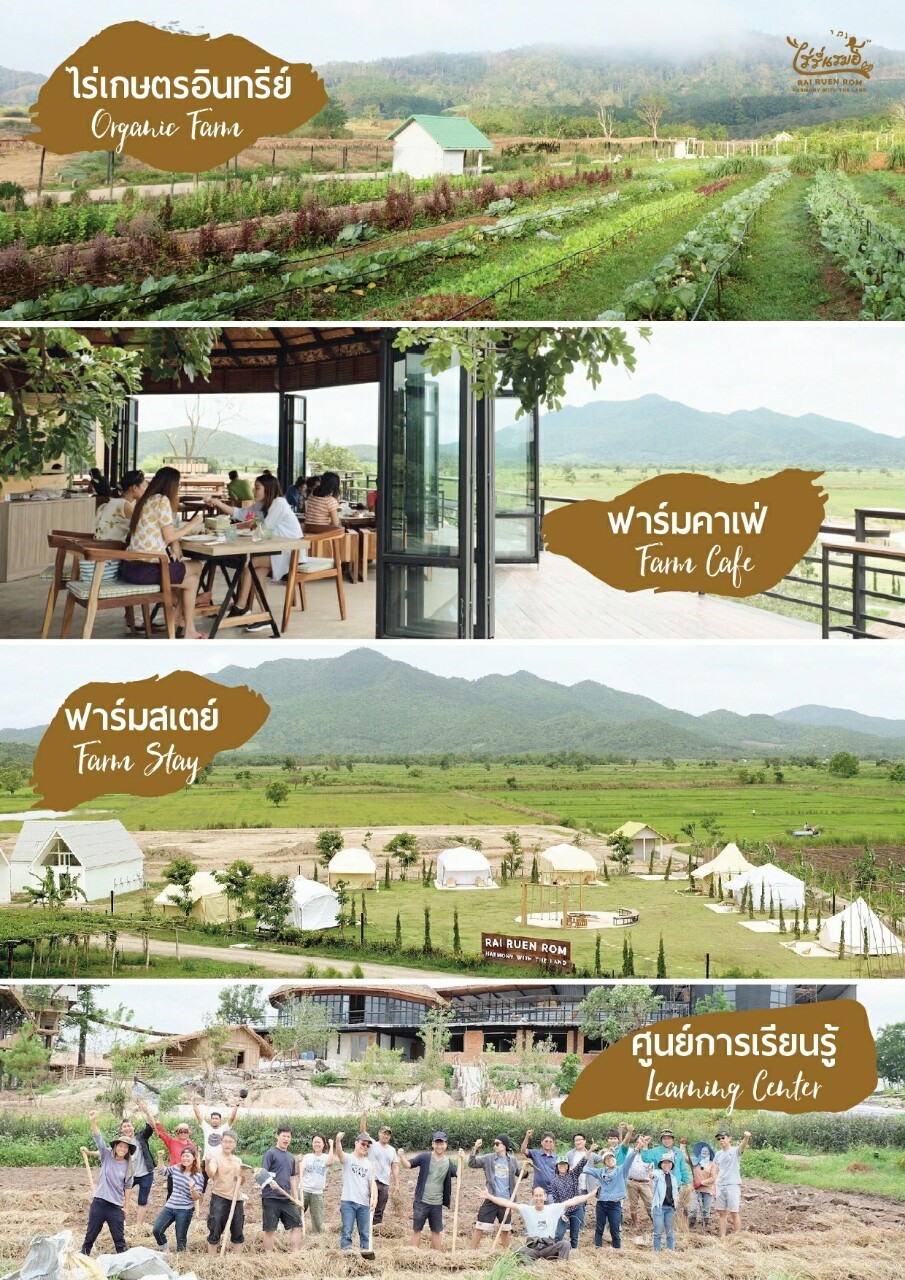
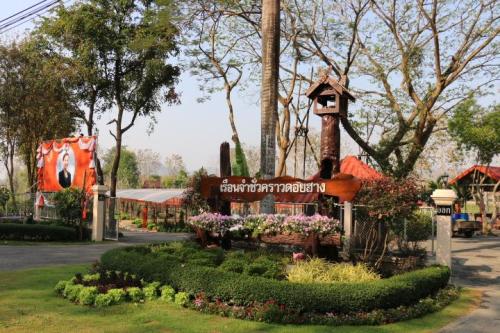
Rai Ruen Rom Organic Farm
Sub district Ngio District Thoeng Province Chiang Rai
Image
Image
Image
Image
Weather
Closed
Business hours
• Sunday
: 09:00 - 16:30
• Monday
: 09:00 - 16:30
• Tuesday
: 09:00 - 16:30
• Wednesday
: 09:00 - 16:30
• Thursday
: 09:00 - 16:30
• Friday
: 09:00 - 16:30
• Saturday
: 09:00 - 16:30
Note
: -
Review Score
0
Availability
0
Value
0
Service
0
Read more >
Information
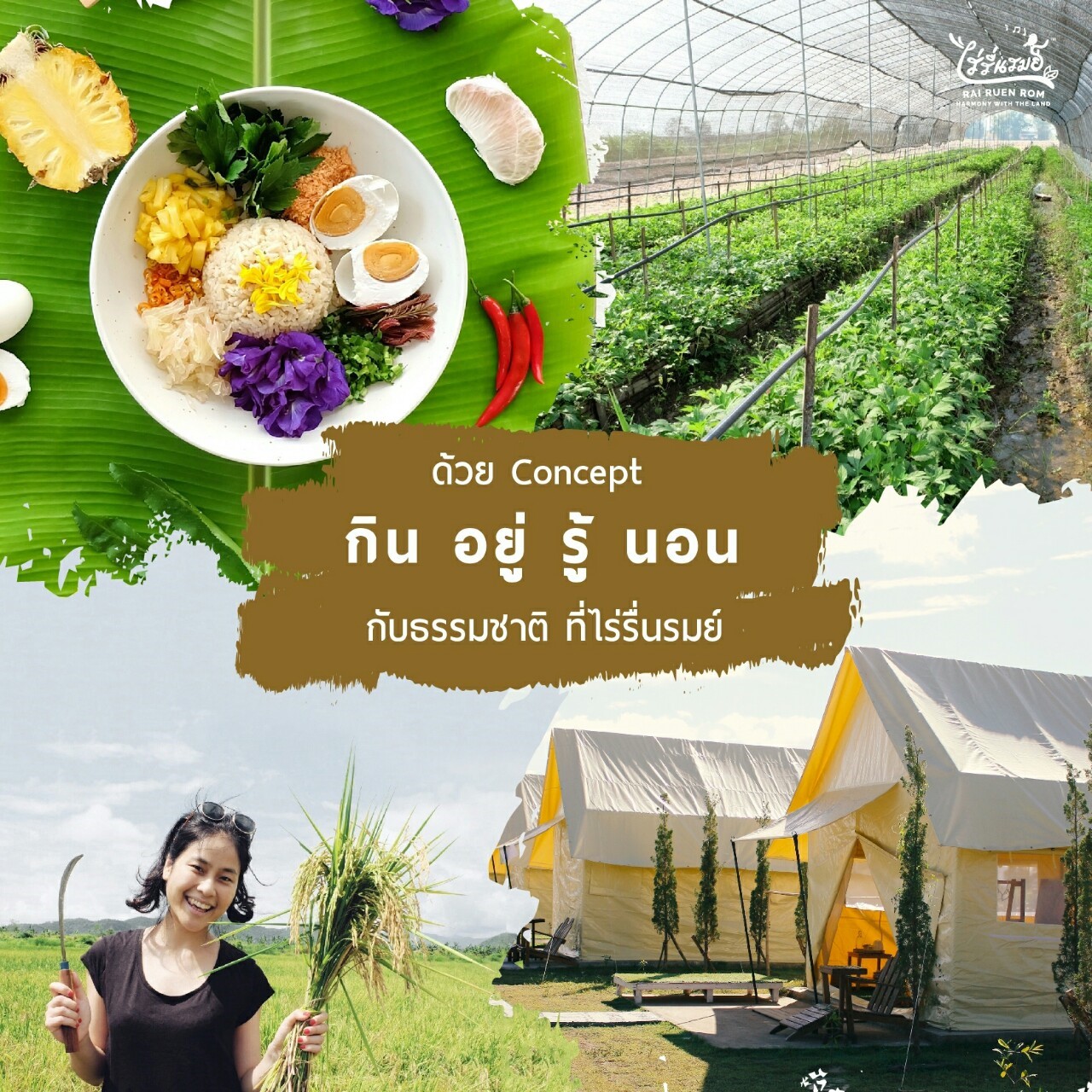
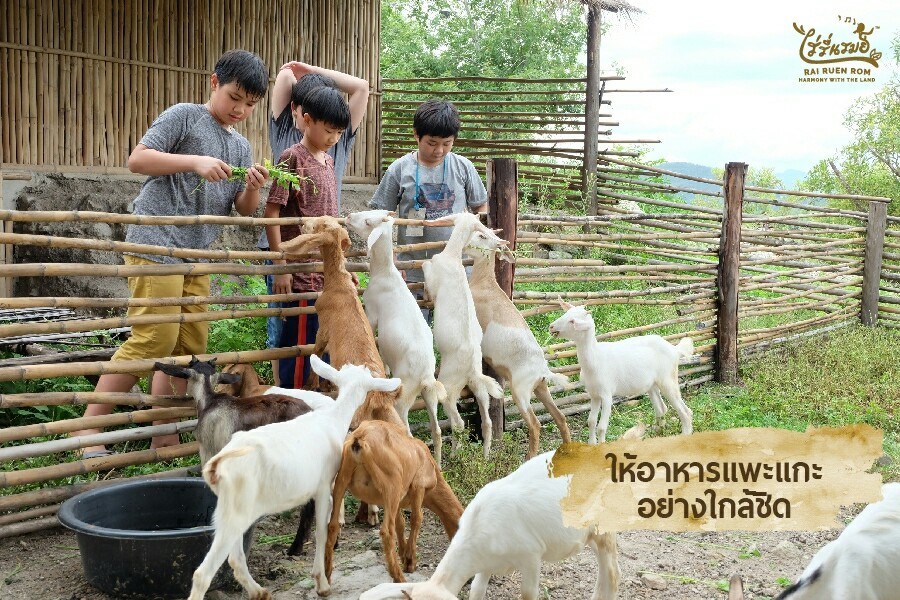
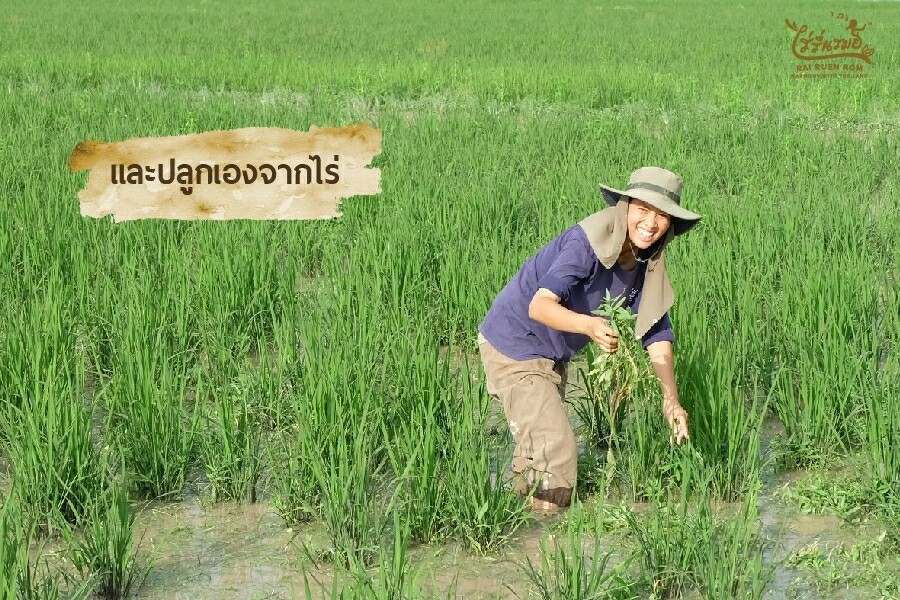
The organic agricultural tourism attractions include accommodation, activities, learning courses on agriculture and food as medicine.
Source
Thailand Tourism Directory
Recommended
Entrance fees
• Entrance fees: Non-fee
• Remark : -
Review (0)
0
จาก 5.0
Availability
Value
Service
Relate Agritourism
Phu Kaset is a high mountain with a wide stone terrace, and turn into Tad Hang Waterfall in the rainy season There are many different shapes of rocks that arose naturally, and it has a steep cliff; it is the location of Wat Phu Kaset (Dan Hin Hua Nak).
Amnat Charoen
King Bhumibol Adulyadej (King Rama IX) foresaw the significance of plant genetic conservation prior to a recognition of the terms “Biological Diversity” and “Conservation” in Thailand. During the trip to Klai Kang Won Palace, A. Hua Hin, Prachuap Khiri Khan Province in 1960, he passed through A. Tha Yang, Phetchaburi Province and noticed many Yang Na trees (Dipterocarpus alatus). Therefore, he had royal words to collect the seeds to plant at Phra Tamnak Piam Suk, Klai Kang Won Palace, and grow the seedlings at Royal Chitralada Projects to study. In 1985, King Rama IX gave a royal word to conserve jackfruit tress around the Grand Palace and initiated the plant conservation project in the palaces by tissue culture. Later in 1986, he had the royal idea to conserve and breed rattan palms and arrange the herbal garden in Royal Chitralada Projects area. Her Royal Highness Princess Maha Chari Sirindhorn carried on the plant conservation project by having the royal idea and asked Lord Chamberlain to carry out plant conservation project in June 1992, when the seed gene bank was formed, and study the preservation of non-industrial crops under the royal thought framework. In 1993, Mr. Sujin Phunikom, the Assistant Subdistrict Headman of Salui and Tha Sae District, Chumporn Province, and his group, cooperated with the Director of Ultra Products Co., Ltd. and the agriculturists in Chumporn Province to establish plant conservation project at the public area located at Moo.6, Salui District (presently Moo. 5 and 6, Salui District, and Moo.4 and 7, Song Phi Nong District). At the same time, the Royal Chitralada Projects was looking for the area to set up the Plant Genetic Conservation Project Under The Royal Initiative of Her Royal Highness Princess Maha Chari Sirindhorn. Subsequently, Royal Chitralada Projects represented by Professor Prachid Wamanont (the Consultant) and the team met with Chumporn Governor (Mr. Prayoon Promphan) to discuss about the project. The first five years, the project was named “Plant Conservation and Development Project Under The Royal Initiative of Her Royal Highness Princess Maha Chari Sirindhorn, Chumporn Province”. Chumporn Provincial Agricultural Extension proposed the project for the approval from Chumporn Governor and submit the project documents to the Director of Royal Chitralada Projects to respectfully inform to Her Royal Highness Princess Maha Chari Sirindhorn on 26 April 1993. Moreover, Plant Conservation and Development Project was integrated with the royal plant genetic conservation project, which Dr. Pisit Wora-urai was a Chairman. The executives meeting on 9 July 1997 had the resolution to change the project’s name from “Plant Conservation and Development Project Under The Royal Initiative of Her Royal Highness Princess Maha Chari Sirindhorn, Chumporn Province” to “Plant Genetic Conservation Project Under The Royal Initiative of Her Royal Highness Princess Maha Chari Sirindhorn”
Chumphon
Suan Hom Meesuk, an agarwood agricultural group community enterprise, is the source of one of the best agarwood species in Thailand
Rayong
Phu Mak Prik is a community forest, in Kut Chum Subdistrict, Kut Chum District, Yasothon Province, in the past, it was an area on Phu Suan Nueng which used to be a source of chili gardening until it has deteriorated. Subsequently, the forest was restored and replanted to become greener again after serious care from the Phu Mak Prik Sect. which developed into a temple of Phu Mak Prik later. And currently, the temple is in the process of building a new half-timbered and half-cemented ubosot amidst the shady nature of trees. It is expected that when finished it will be very beautiful. On Wat Phu Mak Phrik, there is peace and tranquility. It is a shady place to practice meditation. There is also a small viewpoint which those who go up to visit the temple can visit as well. The entrance to the viewpoint might be a bit difficult to see, but you can ask for directions from the monks in the temple
Yasothon
Thai Mangosteen Garden (Suan Khun Panya) has more than 300 mangosteen trees and various kinds of fruits, such as rambutan, durian and dragon fruit. It is an agro-tourism attraction where the visitors can come and enjoy the fruit buffet for 150 baht per person. This garden also has the homestay accommodation available.
Rayong
1 agricultural learning ground of Ban Na Nam Sam, 10 grounds as follow: 1) Learning ground for the production of bio-based substances (Trichoderma, Beauveria, BT, wild microorganisms, nematodes) 2) Charcoal/Wood Vinegar Distillation Learning Ground 3) Local egg raising ground 4) Mushroom cultivation ground 5) Organic Asparagus Planting ground 6) Freshwater fish farming ground 7) The composting ground 8) Herbal Refinery Ground 2 Study natural attractions 1) Pha Nam Thip Cave Sacred water from nature 2) Bat Cave, discover the natural wonders of millions of bats. 3) Chompoo Cave 4) Wat Khao Sam Yot 5) Tad Fa Waterfall 6) Tad Tao water 7) Phu Ta Lor Cave 8) Dong Sakran Viewpoint 9) Dong Lan Forest Development Project 3 agricultural learning resources 1) Growing Asparagus 2) Planting and propagating guava 3) Longan orchard generates income 4) Mushroom cultivation for additional income tourism program 2 days 1 night program Learn about agriculture at 1-2 ground center > have lunch > visit Pha Nam Thip Cave > watch bats > have dinner > relax at homestay / Phu Pha Man Camp > Asparagus plot > Golden banana plantation > Khao Temple Sam Yot > have lunch > go back Note – Tour programs and service fees may change as appropriate. - 3 snacks 1 day program Learn about agriculture at center 1-2 bases > have lunch > visit Pha Nam Thip Cave > watch bats > go back Note – Tour programs and service fees may change as appropriate. - 2 snacks Route links with other attractions (with distance/km) 1) Pha Nam Thip Cave Sacred water source from nature, a distance of 3 km. 2) Bat Cave, a distance of 6 km. 3) Chompoo Cave, a distance of 4 km. 4) Wat Khao Sam Yot, a distance of 6 km. 5) Tad Fa Waterfall, a distance of 18 km. 6) Nam Phut Tat Tao, a distance of 12 km. 7) Phu Ta Lor Cave, a distance of 16 km. 8) Dong Sakran Viewpoint, a distance of 18 km. 9) Dong Lan Forest Development Project, a distance of 22 km. Community enterprise products in the community 1 Ban Son Tai Community Shop, Village No. 3, Ban Son Tai, Non Kom Subdistrict, selling Phu Pha Man folk clothes 2 Ban Non Kom Community Shops, Village No. 1, Ban Non Kom, Non Kom Subdistrict, selling local products and souvenirs.
Khon Kaen
The plot collects more than 100 types of fragrant plants and herbs from the northeastern region.
Nong Khai
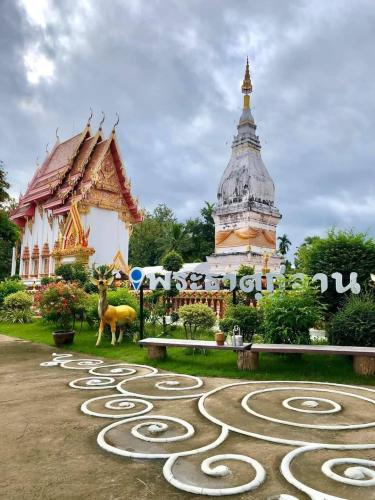
Phra That Kuchan Located within the Ban Ku Chan Temple is an important sanctuary. People of Yasothon and nearby provinces pay their respects. The appearance is a square lotus-shaped chedi, shaped like Phra That Phanom, but smaller. The part of the lower base in the shape of an inverted lotus is a low facing lotus. Supporting a flat rectangular high base connected with a square lotus shape decorated with exquisite and beautiful patterns in ancient times. and the top of the relic in a square shape, which supports the tiered top From the evidence, it should be built according to the general motto of building relics, namely, to contain the Buddha's relics. Each year, a water bathing ceremony is held to preserve the good traditions. Architectural features: Phra That Ku Chan, width 5.10 meters, height 15 meters. Location is located at Ban Ngew. In the middle of the courtyard of Wat Ku Chan, Ku Chan Subdistrict, Kham Khuean Kaeo District, Yasothon Province which looks similar to Phra That Phanom. The only difference is the size that Phra That Ku Jan is smaller. Significance to the community: It is a place of worship for the people of Yasothon and nearby provinces. Every year, the people of Ku Chan sub-district will bring water, perfumes to bathe the relics in the morning of the full moon of the 6th month. In the afternoon, they go to bathe the water ceremony. Ku" after that, they will take them to Nong Sa Phang to bring water from Nong Sa Phang to perform the ceremony Pouring water on relics and bai sema which this ritual must be done annually There is a belief that if the ceremony is not performed, it will cause rain out of season; the villagers of Gu Zhan therefore practice this ritual regularly.
Yasothon
There are no charges for visiting Bhumirak Dhamachart Centerm except if you come in groups and need to participate in the activities that the Center has arranged. Here is an excellent learning source, which provides you understanding of the meaning of the word “sufficient” and how to use resources to gain the most benefits and appreciate its value. The walk around this place is in a circle, starting from the Northern Zone to be excited with the planting of various types of bamboo in both ways as well as the prettiness of the bamboo bridge, the bamboo house near the lotus pond, and the bamboo toys. It is exhibited in this way so that we will know about the many benefits of bamboo, including the making of the water dripping trough for watering the trees and soil to replace people; walking up the small mountains to learn about the wild mountain; hydraulic ram pump is to use water to compress the water to the highland instead of using the water pump, wet fire break system, benefits of vetiver grass, and how to build the check dam. Then, walking though the Central Zone to learn about New Theory Agriculture for the farmers to gain benefits from their own land to its value; learning how to build the soiled house and many types of herbs. After that, walking though the Northeastern Zone to visit the rice bank; learning about the rice milling and how to raise the livestock, in which huge cows can be seen in the stalls; how to make compost for own use so that there is no need to buy chemical fertilizer, and learn about Hom Din, which is how to bring back to good soil for farming by covering the land. But how to do that? It is better to learning by yourself. Lastly, going into the Southern Zone to look at how to burn charcoal from bamboo; how to make Biodiesel, and learn about Kaem Ling Project. Moreover, throughout the Center, I have seen many big and small watercourses along the way. There are pools, agricultural beds to grow crops, Chai Phatthana Hydraulic Turbine, the growing of vetiver in water, and many other things. This is the end of the walk where we have received knowledge and enjoy an untiring walk. Walking around, looking, listening, and asking the officer relentlessly just because things that we think ‘we know’ become things we never knew before. This is because we are used to all these projects or theories but we have never practiced or actually touched. How to travel: From Rangsit intersection, take the direction of Ong Kharak District. Head to use the route of Nakhon Nayok-Nang Rong Waterfall. Pass through Wang Takrai. Before reaching Nang Rong Waterfall for about 2 kilometers, turn right into Khun Dan Prakan Chon Dam Project. Go straight for about 3 kilometers until reaching the traffic circle (with the elephant statues). Go to the right to cross the bridge. When reaching the four-way intersection, turn right and go straight for 200 meters. The Center is on the left-hand side.
Nakhon Nayok
Baan Bua Thoeng Community, the learning center for sufficient living, mixed farming, organic agriculture, bio-composting resources, the benefits and use of bio-compost to agriculture, and the use of local wisdom in agricultural development to suit hot and dry climate of Northeast.
Ubon Ratchathani
Phon Had Village is a sufficiency economy village, an organic vegetables source, organic rice, delicious insects, listening to vegetable lullabies as a source of fanaticism. The only place in Roi Et according to the Philosophy of Sufficient Economy. The village is famous for its delicious insects, excellent craftsmanship. Familiar with pesticide-free vegetables Muan I Lee Bun Bang Fai Tradition, worshipping the great god, the legend of Phraya Had Phraya Thon
Roi Et
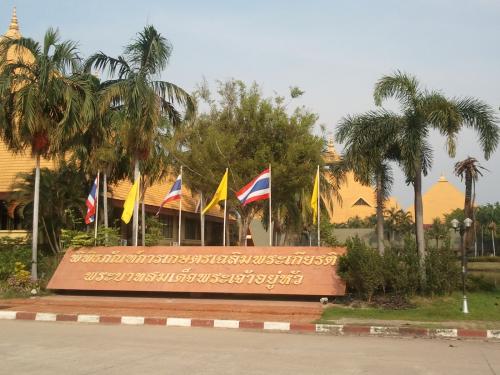
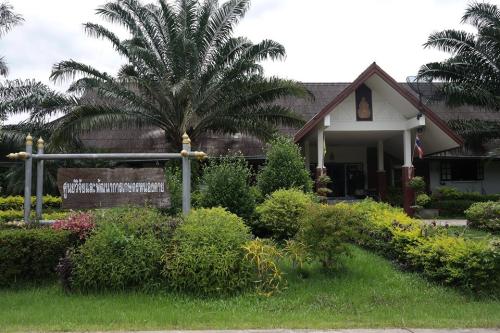
1. Methods of organizing activities - Guided tours, cooking and eating Vietnamese food, Wearing Ao Yai (Vietnamese costume), and homestay 2. Community’s way of life - safe vegetable growing local cooking sip local tea 3. Tourist participation – visit vegetable plots Vietnamese food, cycling Tour Program Taste local tea, collect vegetables, Vietnamese cooking, Wearing Ao Yai, cycling to see the cultural lifestyle of Thai people of Vietnamese descent, and stay in a homestay Route links to other attractions (with distance/km) - Freshwater Fish Museum, a distance of 2 km. - Chaloem Phrakiat Chakri Dynasty Hall, a distance of 2.5 km. - Landmark, Phaya Si Sattanakharat, a distance of 5 km. - The 3rd Thai-Lao Friendship Bridge, a distance of 15 km. Community enterprise products in the community Vegetables are safe from toxins, fruit, dried/fresh tea leaves, hammocks, hemp leaf snacks.
Nakhon Phanom