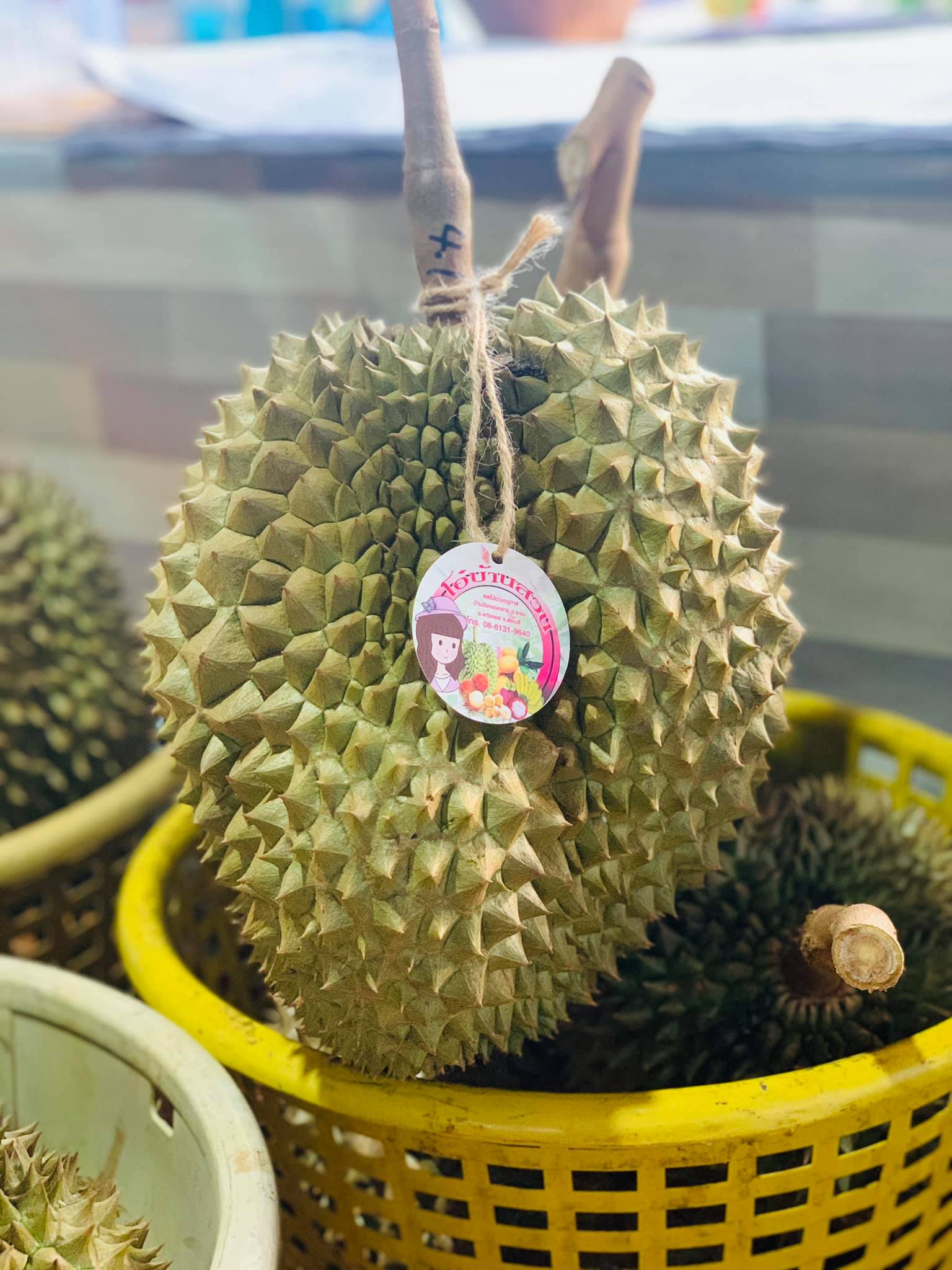
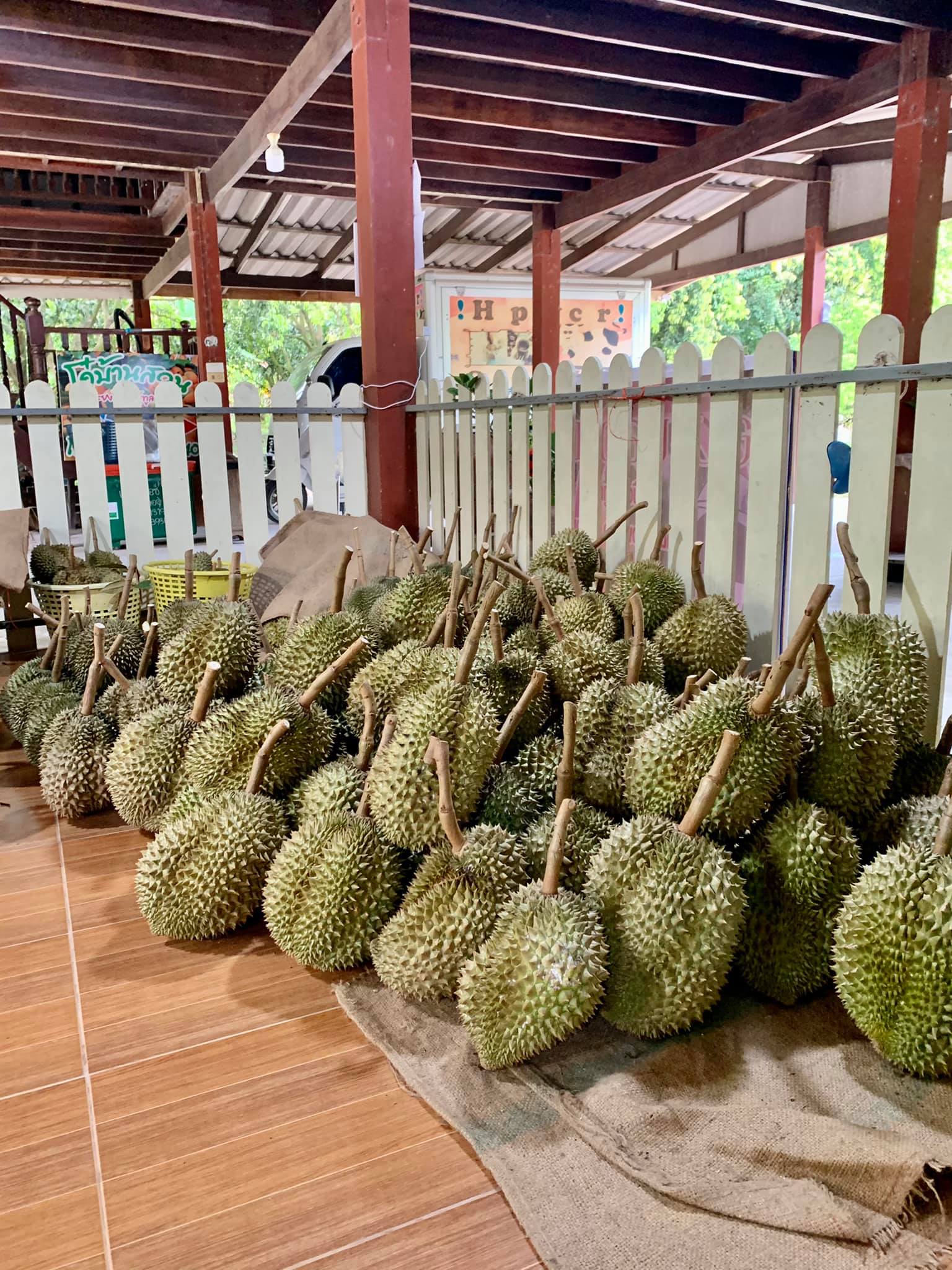
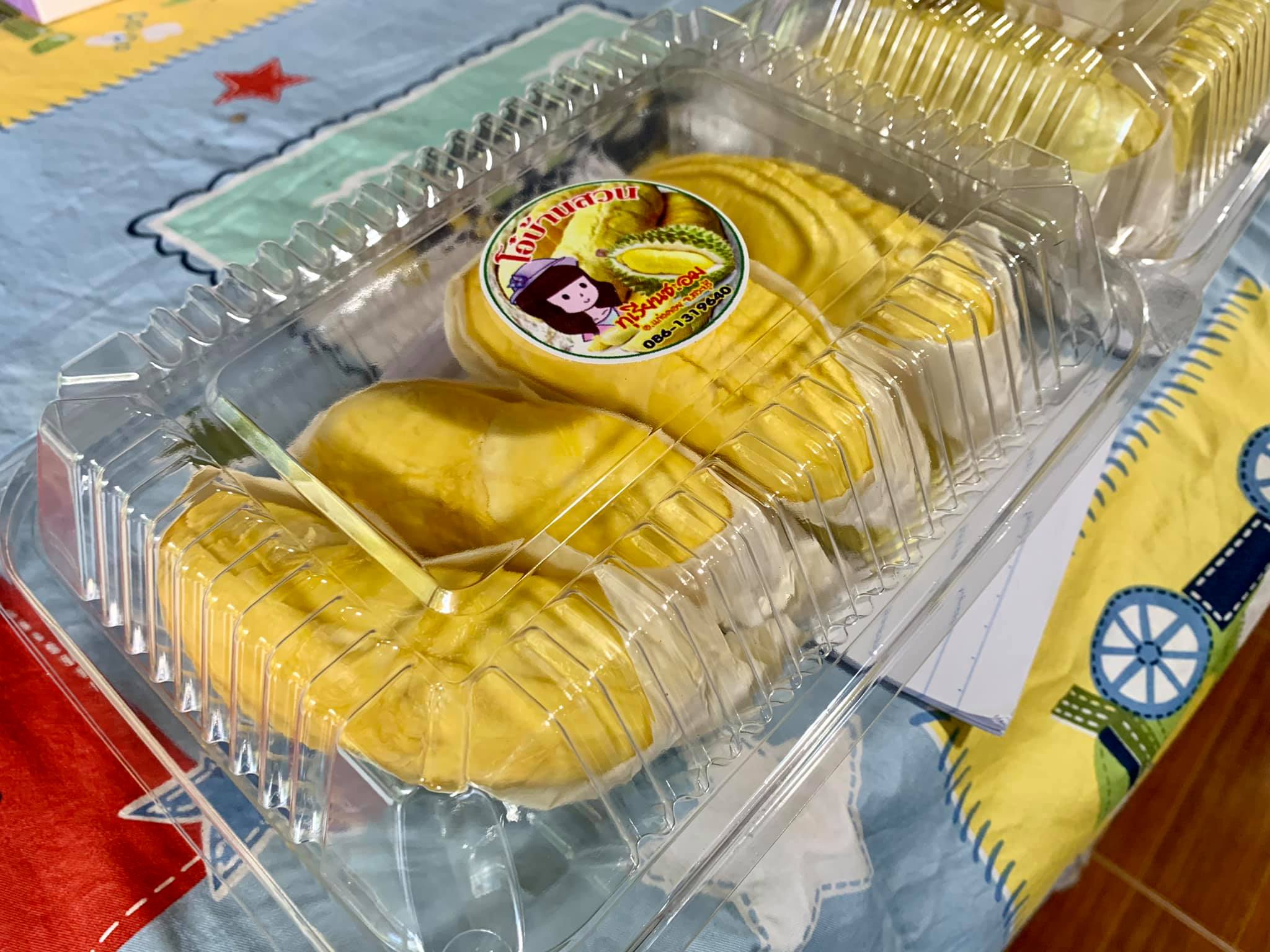
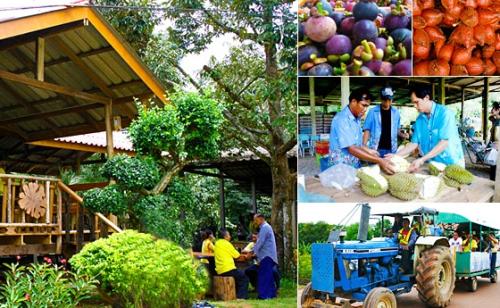
Seasonal fruit garden with fragrant durian, sweet rambutan and delicious mangosteen; affordable price, pay attention to every plant delivered directly to the customer
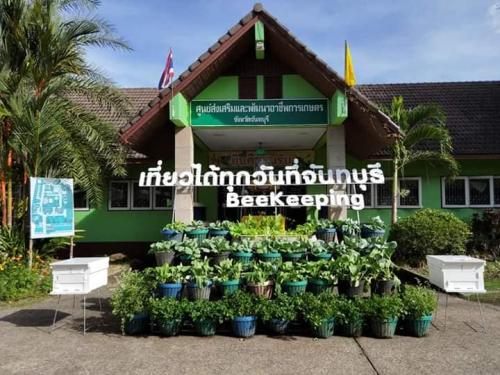
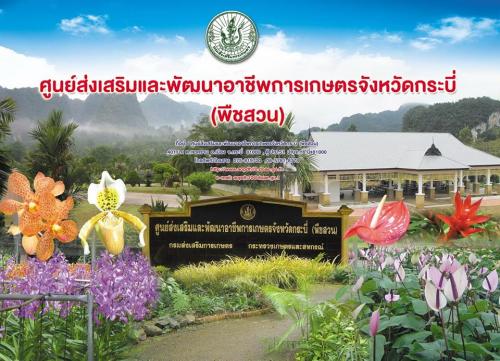
Agricultural Occupational Promotion and Development Center, Chanthaburi Province: It is an agency of the Department of Agriculture Extension. It has duties to educate and practice agricultural careers for farmers and people who are interested. It is an agricultural tourist attraction and a study site for farming and economic insects, processing of bee products and stalks and agriculture in line with sufficiency economy. There are various learning spot within the center as follows:
• Learning point for breed beekeeping
• Learning point for honey beekeeping
• Learning point for Steep beekeeping
• Learning point for raising crickets
• Learning Point for Bee Product Processing and honey bees
• Learning point for agriculture based on the sufficiency economy (planting vegetables in containers Oyster Mushroom cultivation)
Tour Program
All year
Route links with other attractions (with distance/km)
• Chanthaburi Agricultural Research and Development Center (Thung Ple), 21 km.
• Royal Initiative Fruit Tree Development Center, Chanthaburi, 24 km.
• Office of Agricultural Research and Development, District 6, Chanthaburi, 25 km.
• Khung Kraben Bay Development Study Center, 48 km.
• Baan Pattawee Community Learning Center, 5 km.
Community Enterprise Products:
• Bee Honey
• Stingless Honey
• Processed products from bees and stingless bees (honey soap, herbal honey shampoo, herbal bee wax, Beeswax Lip Balm, Propolis Lotion Honey Cream)
1 agricultural learning ground of Ban Na Nam Sam, 10 grounds as follow:
1) Learning ground for the production of bio-based substances (Trichoderma, Beauveria, BT, wild microorganisms, nematodes)
2) Charcoal/Wood Vinegar Distillation Learning Ground
3) Local egg raising ground
4) Mushroom cultivation ground
5) Organic Asparagus Planting ground
6) Freshwater fish farming ground
7) The composting ground
8) Herbal Refinery Ground
2 Study natural attractions
1) Pha Nam Thip Cave Sacred water from nature
2) Bat Cave, discover the natural wonders of millions of bats.
3) Chompoo Cave
4) Wat Khao Sam Yot
5) Tad Fa Waterfall
6) Tad Tao water
7) Phu Ta Lor Cave
8) Dong Sakran Viewpoint
9) Dong Lan Forest Development Project
3 agricultural learning resources
1) Growing Asparagus
2) Planting and propagating guava
3) Longan orchard generates income
4) Mushroom cultivation for additional income
tourism program
2 days 1 night program
Learn about agriculture at 1-2 ground center > have lunch > visit Pha Nam Thip Cave > watch bats > have dinner > relax at homestay / Phu Pha Man Camp > Asparagus plot > Golden banana plantation > Khao Temple Sam Yot > have lunch > go back
Note – Tour programs and service fees may change as appropriate.
- 3 snacks
1 day program
Learn about agriculture at center 1-2 bases > have lunch > visit Pha Nam Thip Cave > watch bats > go back
Note – Tour programs and service fees may change as appropriate.
- 2 snacks
Route links with other attractions (with distance/km)
1) Pha Nam Thip Cave Sacred water source from nature, a distance of 3 km.
2) Bat Cave, a distance of 6 km.
3) Chompoo Cave, a distance of 4 km.
4) Wat Khao Sam Yot, a distance of 6 km.
5) Tad Fa Waterfall, a distance of 18 km.
6) Nam Phut Tat Tao, a distance of 12 km.
7) Phu Ta Lor Cave, a distance of 16 km.
8) Dong Sakran Viewpoint, a distance of 18 km.
9) Dong Lan Forest Development Project, a distance of 22 km.
Community enterprise products in the community
1 Ban Son Tai Community Shop, Village No. 3, Ban Son Tai, Non Kom Subdistrict, selling Phu Pha Man folk clothes
2 Ban Non Kom Community Shops, Village No. 1, Ban Non Kom, Non Kom Subdistrict, selling local products and souvenirs.
From over 1.6 square kilometer of useless wasteland to a strong farmer community today, “Nong Wa Agricultural Village”, Phanom Sarakham District, Chachoengsao Province uses the “3 Benefit 4 Collaboration” model to enable farmers to access land and funding sources. They revived the dry land to become a green agricultural area, and farmers have a stable career.
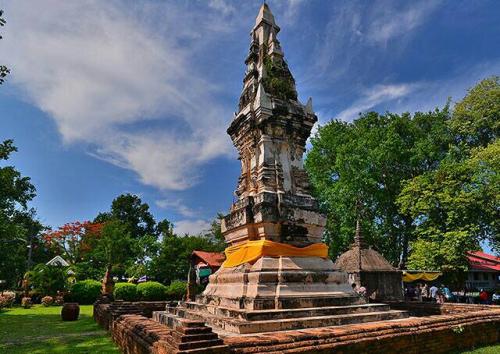
Phra That Kuchan Located within the Ban Ku Chan Temple is an important sanctuary. People of Yasothon and nearby provinces pay their respects. The appearance is a square lotus-shaped chedi, shaped like Phra That Phanom, but smaller. The part of the lower base in the shape of an inverted lotus is a low facing lotus. Supporting a flat rectangular high base connected with a square lotus shape decorated with exquisite and beautiful patterns in ancient times. and the top of the relic in a square shape, which supports the tiered top From the evidence, it should be built according to the general motto of building relics, namely, to contain the Buddha's relics. Each year, a water bathing ceremony is held to preserve the good traditions.
Architectural features: Phra That Ku Chan, width 5.10 meters, height 15 meters. Location is located at Ban Ngew. In the middle of the courtyard of Wat Ku Chan, Ku Chan Subdistrict, Kham Khuean Kaeo District, Yasothon Province which looks similar to Phra That Phanom. The only difference is the size that Phra That Ku Jan is smaller.
Significance to the community: It is a place of worship for the people of Yasothon and nearby provinces. Every year, the people of Ku Chan sub-district will bring water, perfumes to bathe the relics in the morning of the full moon of the 6th month. In the afternoon, they go to bathe the water ceremony. Ku" after that, they will take them to Nong Sa Phang to bring water from Nong Sa Phang to perform the ceremony Pouring water on relics and bai sema which this ritual must be done annually There is a belief that if the ceremony is not performed, it will cause rain out of season; the villagers of Gu Zhan therefore practice this ritual regularly.
Agricultural Technology Promotion Center for Economic Insects Chiang Mai Province Established in 1980 It is an agency under the Department of Agricultural Extension. Ministry of Agriculture and Cooperatives It plays a major role in research studies. Test and apply economic insect farming technology Promote and transfer economic insect culture technology as a center for development, production, expansion and distribution of economic insect species, as well as providing basic product quality inspection services and diagnosis of diseases and pests of economic insects to farmers and interested parties. It is also a tourist attraction. Agribusiness that is open to both Thai and foreign tourists to get to know and learn about the life of bees and important economic insects of Thailand. Each year, both Thai and foreign tourists visit to study work and travel to the learning points that the center has exhibited, such as learning points on beekeeping, bee breeding, burrow bee, cricket, lac, queen bee, and product processing. and also provide “Honey Shop” product display and distribution point where tourists can watch, taste and buy real, good quality honey and other processed products. of community enterprises and entrepreneurs
Tourism program :
Learning point/base interesting activities
1. Breeding bees. Open house for breeding bees. (Acquaintance with bees, life cycle and well-being of bees in the hive) Keeping and maintaining bee health checks collecting nectar from flowers
and sap. Preliminary analysis of honey quality.
2.Honey bees Wild bees make money. (Get to know the burrowing bees and natural nest building. Traditional poaching beekeeping techniques Modern honey beekeeping Protecting against the pests of honey bees Techniques for collecting good quality honey
3. Chan Rong Open House Chan Rong (Get to know the amazing mini bee, the best pollinator). propagation Nectar, pollen and resin collection behavior of saplings Making resin extracts and their uses
4. Crickets
Crickets are the world's reserve protein food source. Commercial cricket species Standard farming techniques and management Processing crickets as food
Learning point/base interesting activities
5. Shellac: Get to know lac insects/life cycle and benefits. Transplanting plants for lac culture farming techniques Care and harvest Technology for protection and nursery of lac species during the dry season
6. The queen bee opens the experience of finding the queen bee queen in the hive. birth of queen bee The Great Duties of the Queen Bee Techniques for cultivating queen bees
7. Processed products
Watch/Taste/Touch A variety of bee products, natural gifts. The benefits of bee products
Tips for buying honey Processing bee products into products for daily use
Route links with other attractions:
- Chiang Mai Night Safari Night Zoo, distance 750 m.
- Royal Park Ratchaphruek, a distance of 1 km.
- Wat Inthrawat (Wat Ton Kwen), a distance of 2.5 km.
- Wat Phra That Doi Kham, a distance of 4.4 km.
- Baan Tawai Handicraft Center, a distance of 10 km.
- Wiang Kum Kam, a distance of 11 km.
Phu Kaset is a high mountain with a wide stone terrace, and turn into Tad Hang Waterfall in the rainy season
There are many different shapes of rocks that arose naturally, and it has a steep cliff; it is the location of Wat Phu Kaset (Dan Hin Hua Nak).
Community Enterprise, Fruits Quality Promotion Group Phato Sub-district, Phato District, Chumporn Province operates agrotourism by networking with the tourism groups in Phato District. Activities available here are rafting, garden touring, fruit tasting, trekking, and visiting a waterfall. Besides, traditional food tasting, such as orange curry with banana stalk and pork belly, stir-fried Liang leaves with egg, rice in bamboo, and traditional coffee tasting.
Sufficiency Economy Philosophy House is a learning center of the new agriculture theory. Inside the integrated garden, is planting vegetables for household consumption adhering to the sufficiency economy philosophy of King Rama IX. It is also the pilot model of growing rice berry in the 400 plastic tanks that results in the 20 tanks of paddy, which is sufficient for consumption all year round. Later, numbers of villagers and foreigners visit this place. The lecturer is available to provide knowledge about the SEP to the students and interested people.
The learning center following the footsteps of the Luang Pho Luang is located in Moo 3, Sappaya Sub-district (Huai Krot-Sappaya Road), the Sufficiency Economy Learning Center.
Sirinat Rachinee Mangrove Ecosystem Learning Center is the first mangrove rehabilitation center from abandoned shrimp farms in Thailand. Originally, it was a shrimp farm located in the Pa Khlong Kao National Forest Reserve - Khlong Khoi, Pak Nam Pran Sub-district. Pranburi District Prachuap Khiri Khan. When the King Rama 9 and the Queen came to Pranburi, The Royal Forest Department responded by canceling the shrimp farming concession and then included as part of the Pak Nam Pranburi Forest Development Project. They accelerated the restoration of mangrove forests and designate them as target areas for reforestation and later develop into a mangrove ecosystem learning center.
The Ministry of Agriculture and Cooperatives established the Golden Jubilee Museum of Agriculture on the occasion of His Majesty King Bhumibol Adulyadej's 50-year to the throne in 1996. On the area of 800,000 square meters in Klong Nueng Subdistrict, Klong Luang District, Pathumthani Province.