คำค้นยอดฮิต: ข้าวเหนียวมะม่วง ของขวัญออแกนิค ผลไม้สด
TH | EN
฿ 0.00
Royal Agricultural Station Angkhang
Sub district Mae Ngon District Fang Province Chiang Mai
Image
Image
Image
Image
Weather
Closed
Business hours
• Sunday
: 09:00 - 16:00
• Monday
: 09:00 - 16:00
• Tuesday
: 09:00 - 16:00
• Wednesday
: 09:00 - 16:00
• Thursday
: 09:00 - 16:00
• Friday
: 09:00 - 16:00
• Saturday
: 09:00 - 16:00
Note
: -
Review Score
0
Availability
0
Value
0
Service
0
Read more >
Information
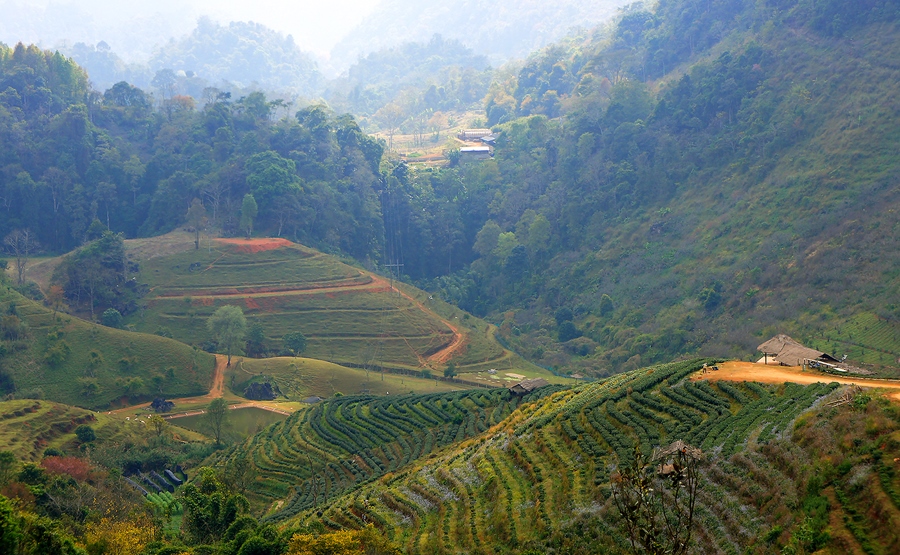
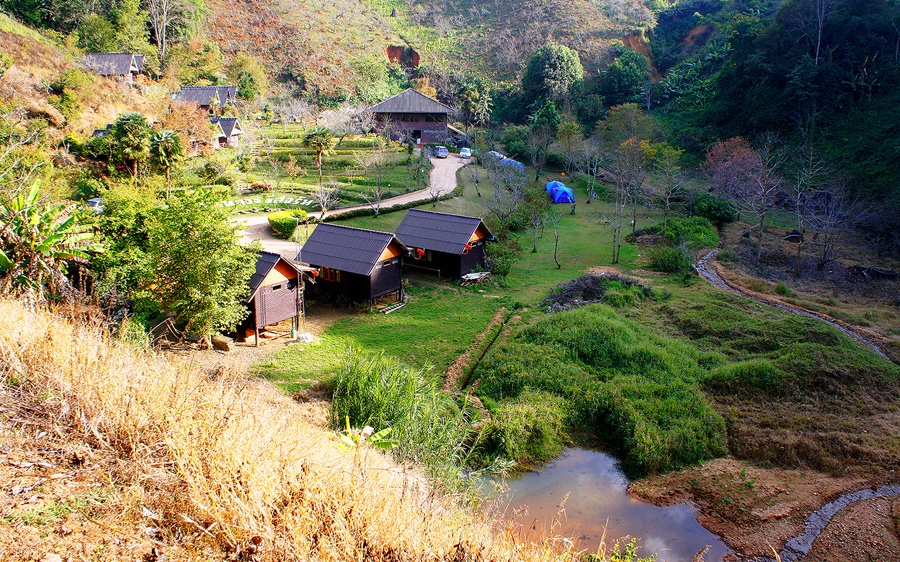
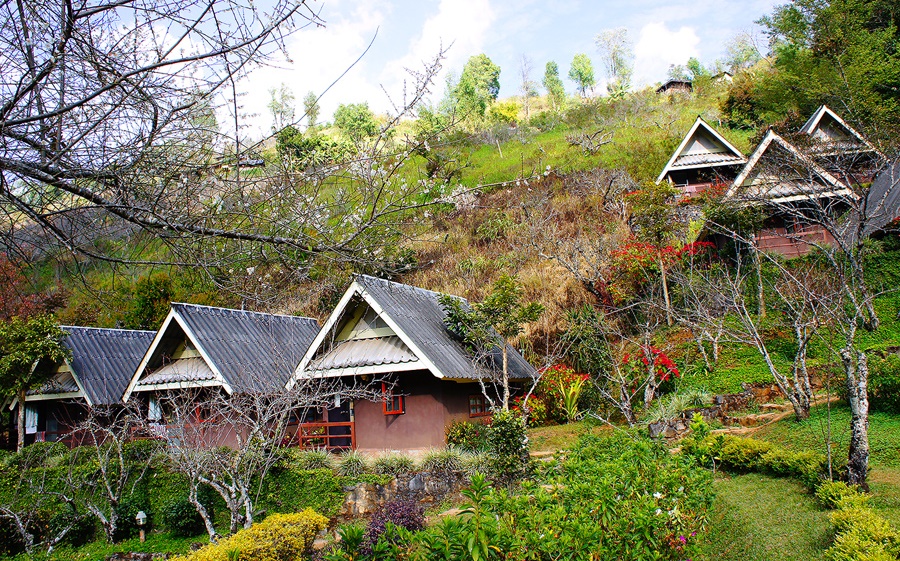
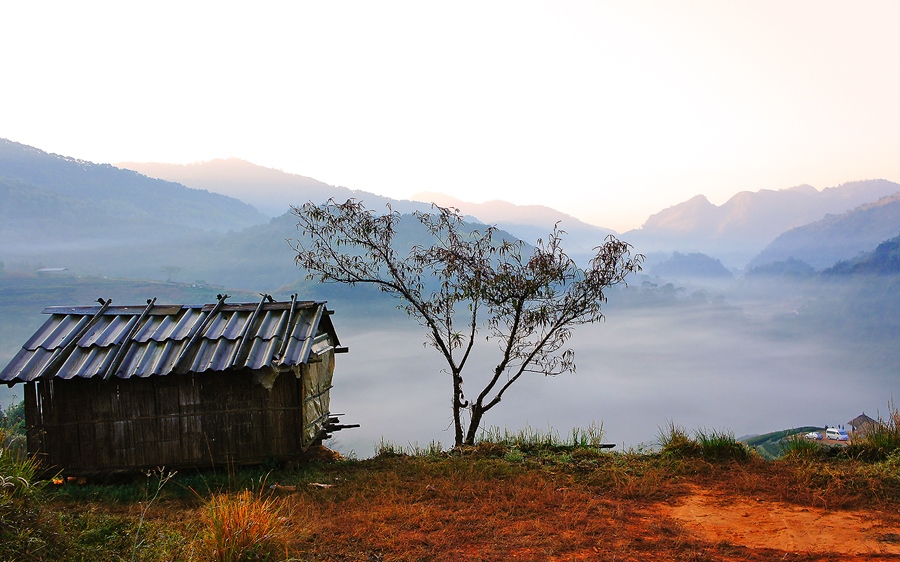
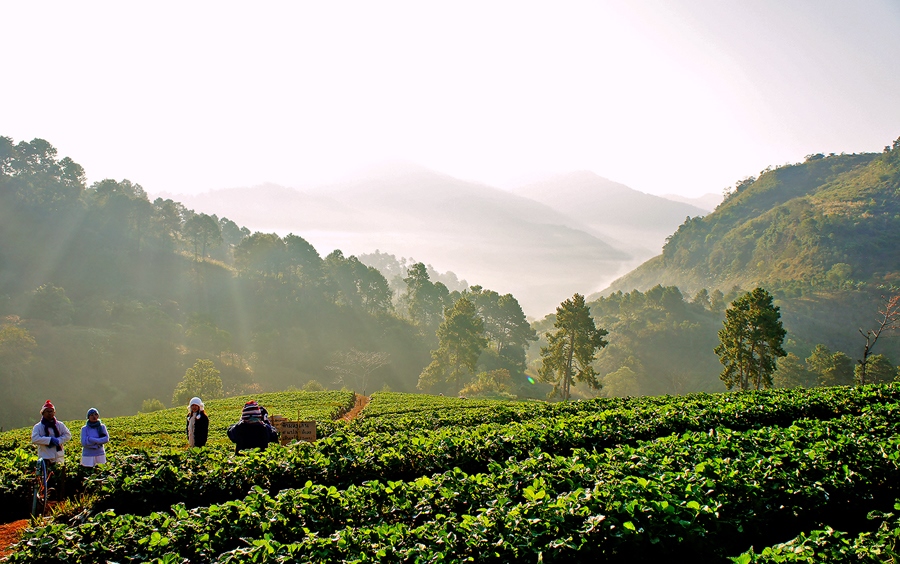
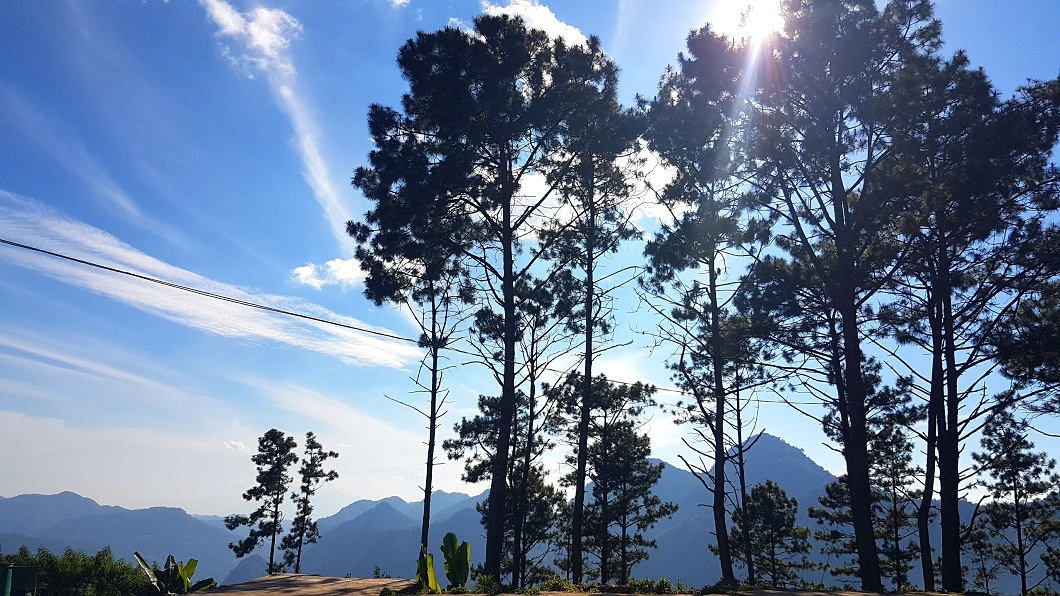
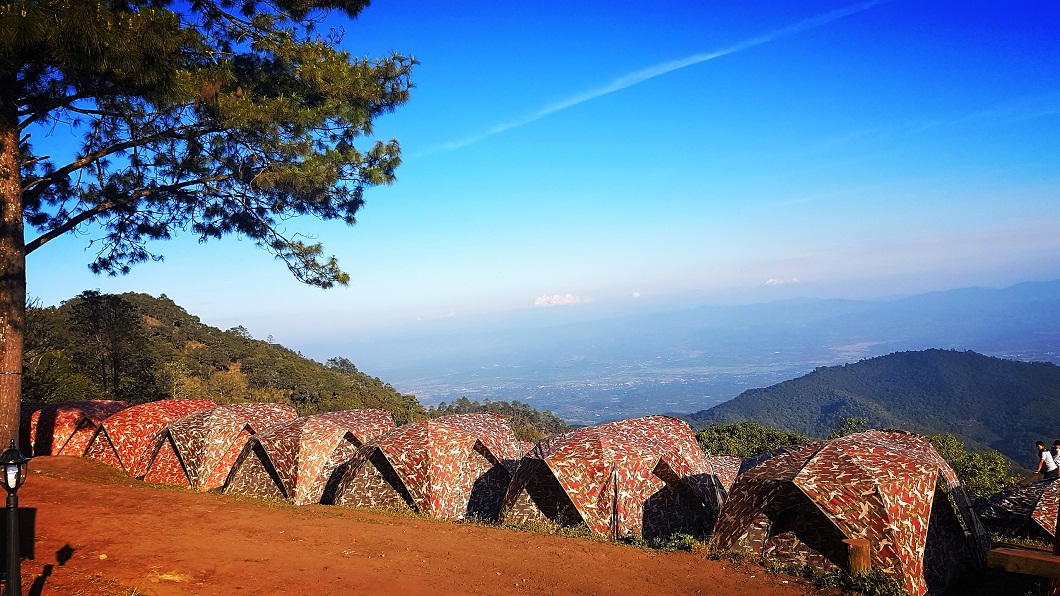
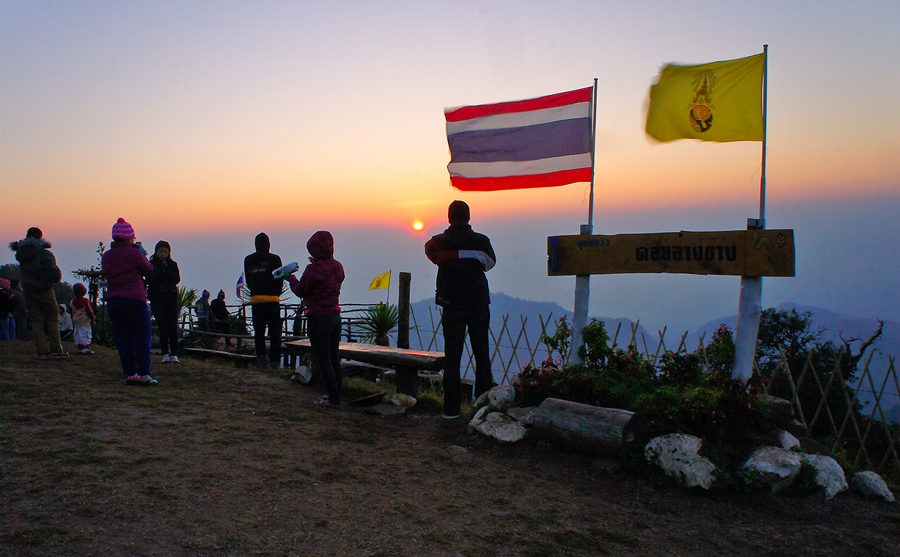
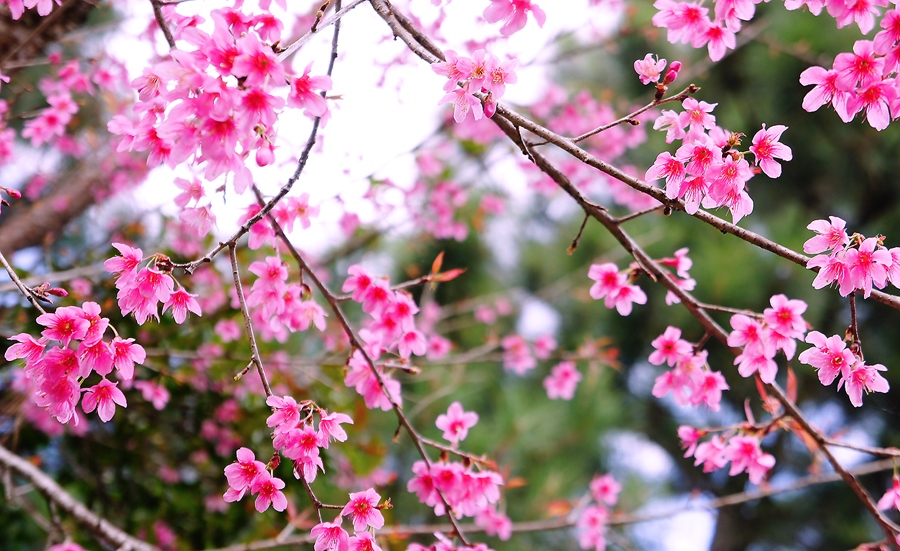
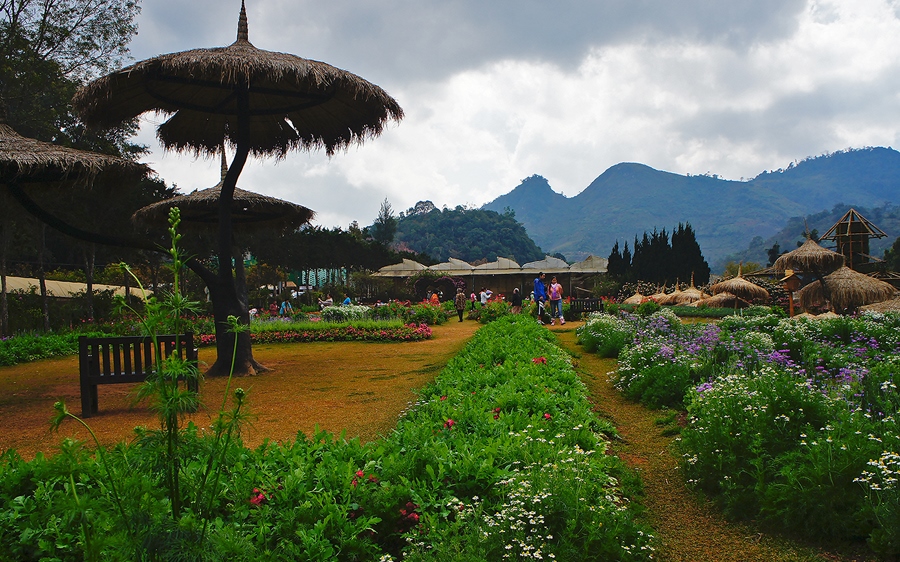
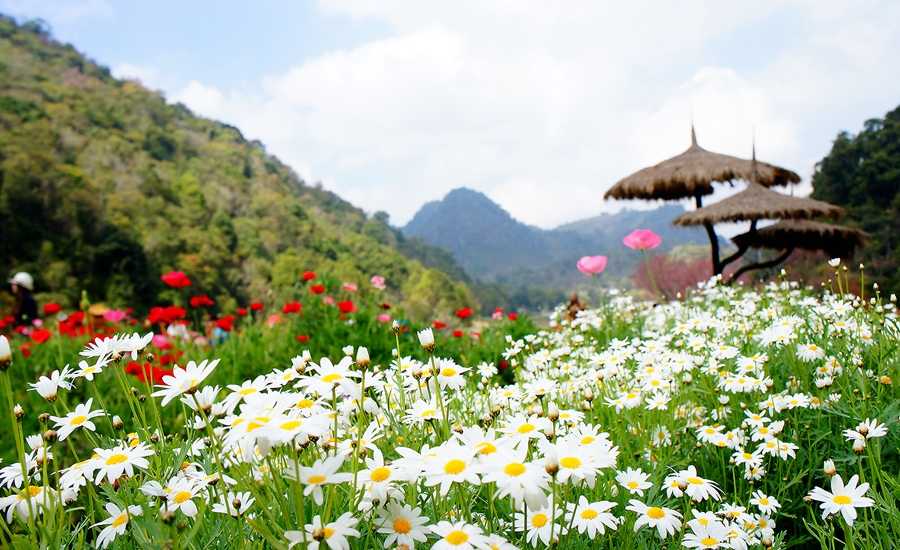
The Royal Agricultural Station Angkhang is an ecotourism site where the nice garden and the interior design are very beautiful and attractive. This is the famous place for tourists to visit and see the cold weather plants and flowers growing. Numbers of tourists visit Doi Angkhang and the Royal Agricultural Station Angkhang, especially in winter.
Source
Thailand Tourism Directory
Recommended
Entrance fees
• Entrance fees: Non-fee
• Remark : -
Review (0)
0
จาก 5.0
Availability
Value
Service
Relate Agritourism
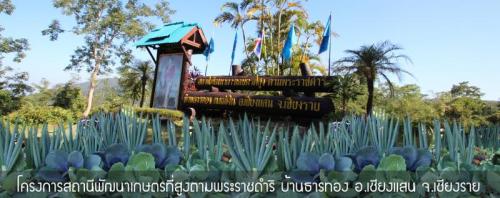
It is an eco-tourism attraction with non-toxic vegetables, flowering plants
Chiang Rai
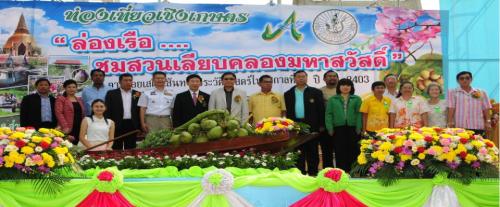
The perfect combination between a Historic River and Agro-Tourism, ""Cruising along the Maha Sawat canal and the beautiful orchard sceneries."" Changing the natural capital to be a perfect agricultural tourism. The agro tourism ""Cruising along the Maha Sawat canal and the beautiful sceneries"" was initiated from the concept of bringing the way of life of farmers who are doing routine of working together with the existing ""natural capital"", the resources of agriculture, gardening, farming, plowing, which parents, grandparents, and grandparents carry on until this generation. To adapt with what is available in the area, Khlong Khut Maha Sawat, historic canal that King Mongkut (Rama IV) graciously digs for a route for His Majesty to worship Phra Pathom Chedi. It took 5 years to complete the excavation, from 1855 to 1860. Khlong Khut Maha Sawat is 27 kilometers long from Bangkok to Tha Chin River and has many stories about the canal, such as the King's request to build 7 pavilions along the canal, for example the City Hall (Sala Klang Subdistrict Nonthaburi Province), Sala Thammasop (Taweewattana District, Bangkok), Salaya and Sala Din, which are in Phutthamonthon District. In addition, there are people using the last name beginning and ending with the word ""Sawat"" about 68 surnames such as Sawat Daeng, Sawatjun, Sawatsoradet, Sawatnam, Sawatdee Me, Desawad, etc. tourism program One Day Trip Point 1 going to the pier at Suwannaram Temple with welcome farmers to lead tourists to various spots Point 2 Watching the Gac Processing and the story before it came to be Yentafo Fak Rice and healthy gac juice Point 3 Visiting Na Bua Luang Cut Dok to learn how to make lotus Rowing a boat to collect lotus in the middle of the swamp Learn to fold lotus petals. Point 4 Visiting the miracle of Thai rice. Point 5 Orchid Garden Visit an orchid garden and cultivate various orchid species. Point 6 Visiting the fruit orchards, mixed farming fields, and tasting seasonal fruits. Taking an E-Tak car ride to see the garden and plots of rice fields Route links with other attractions (with distance/km) Jesada Technik Museum Nakhon Chai Si District, 21 kilometers distance - Thana Market, Nakhon Chai Si District, 25 kilometers distance - Don Wai Floating Market, Sampran District, 10 kilometers distance - Wat Rai Khing, Sampran District, 15 kilometers distance - Lam Phaya Floating Market, Bang Len District, 26 kilometers distance - Phutthamonthon Sathan, Phutthamonthon District, 6 kilometers distance - Phra Pathom Chedi Mueang Nakhon Pathom District, 36 kilometers distance Community enterprise products in the community assorted rice bowls - Crispy Golden Banana - Miang Kham Bua Luang - Seasonal products such as grapefruit, mango, jackfruit, banana - Ornamental plants, lotuses and orchids
Nakhon Pathom
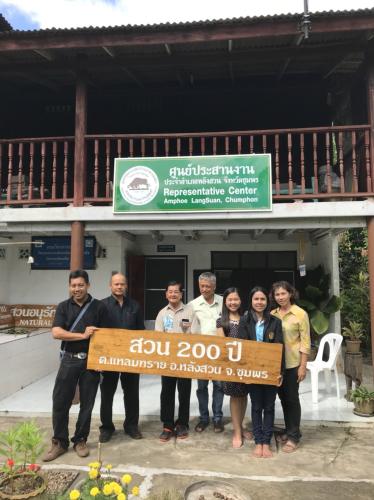
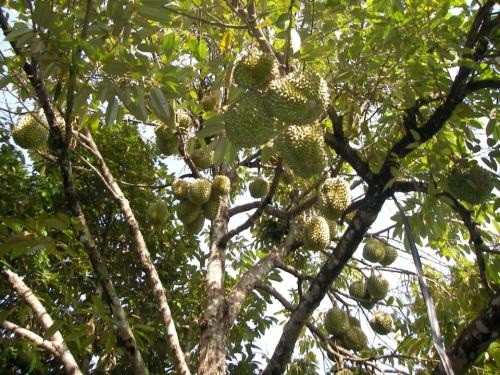
The ancient 200-year-old garden utilizes the resources for the long-term highest benefits. It is located at No. 5 Moo 11, Laem Sai Sub-district, Lang Suan District, Chumphon Province, about 2 kilometers from Lung Suan Market. Samroeng Rajavate, the fourth generation of the family, is a current caretaker. This is the mixed garden, where various fruits are grown in the same area. Whether Local Durian, Mangosteen, Local Rambutan, Langsat, Betel Nut, Coconut, Nutmeg, Sato, Lukniang, Sapodilla, Champa, Jackfruit, Mafai, Banana, Homegrown Vegetables, and Herbs. Without the use of chemical fertilizers to accelerate growth. The soil is treated by growing the grass to nourish the soil moisture throughout the year. Natural fertilizer is used, such as dead leaves and annual crop residues. For pest control, birds, squirrels, and tree shrews are eating worms and insects as food. The cost includes the labor cost during harvesting season to cut grass to facilitate the harvest and at the area to plant the trees that will be repaired.
Chumphon
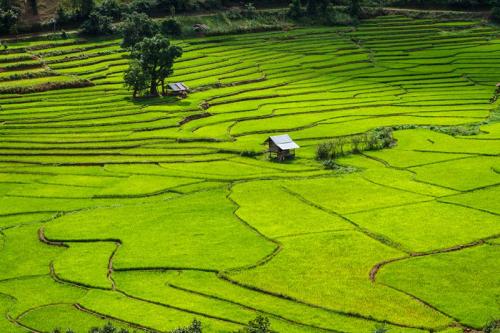
Rice terraces, Pid Thong Lang Phra Project is located in Chaloem Phrakiat District. It is a project under the royal initiative. Nan province is a pilot province to carry on the royal initiatives of His Majesty the King. Her Majesty Her Majesty the Queen The project's approach is to start with reducing the use of forest areas. Seeking new methods of growing rice by adopting terraced farming methods on mountain areas instead of paddy rice in order to solve poverty problems sustainably By focusing on the villagers to think for themselves But the government will go in to educate and find a suitable model for solving the problem of coexistence between people and forests in Thailand. upstream forest area Projects here are not only digging terraced rice fields, but also constructing water storage ponds, weirs, and soybean planting. including animal husbandry
Nan
Visiting the garden and eating fruits such as durian, rambutan, mangosteen, and longkong. - Ecotourism activities at the Huai Kha Khaeng buffer zone - Nature Trail Tourism Program: 1. Watching the integrated agro tourism, such as an orchard of guava, Wong Bo lime and fresh mulberry. 2. Visiting the orchard and eat quality fruits such as durian, rambutan, mangosteen, and longkong. 3. Ecotourism at the Huai Kha Khaeng buffer zone 4. Seting up a tent to relax at Huai Nam Ring Reservoir in the area of Huai Kha Khaeng buffer area The direction that links with other attractions: - Paying homage to Luang Por Sema at Wat Pa Sak, which is a local monk of Lan Sak District, a distance of 5 kilometers. - Visiting Huai Kha Khaeng National Park, a distance of 12 kilometers. - Hup Pa Tat, a distance of 10 kilometers. - Samo Thong Hot Spring, a distance of 12 kilometers.
Uthai Thani
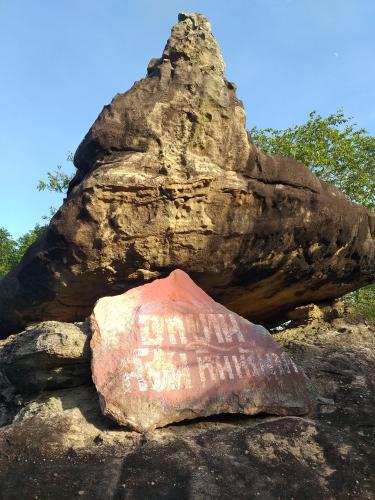
Phu Kaset is a high mountain with a wide stone terrace, and turn into Tad Hang Waterfall in the rainy season There are many different shapes of rocks that arose naturally, and it has a steep cliff; it is the location of Wat Phu Kaset (Dan Hin Hua Nak).
Amnat Charoen
Suphanburi Banana Conservation Center: It is a sufficiency agricultural community enterprise, responsible for the conservation of rare banana species in Thailand; and it has collected up to 108 banana species, especially the species of Suphan Buri itself.
Suphan Buri
- Watch the fish and mussels raising in cages, - Cultivation of seagrass - Study mangrove ecosystem - Processing of salted fish with nets/sea food - Toei Panan Weaving tourism program - Arrive at the group office. Listen to a briefing on the history of Ban Pru Jude Cage Fish Farming Community Enterprise - Learn how to raise aquatic animals in cages - Take a boat trip to see the mangrove ecosystem. Study mangrove forests, hot springs, visit Boonkong Bay, plant seagrass to conserve food for dugongs in the Trang sea, visit various islands, beaches, return to the accommodation, have dinner, see the community's way of life in the morning. Seafood Processing Group, Kang Mung Salted Fish, Toei Panan Basketry Group, buy souvenirs, Travelling back Route links with other attractions (with distance/km) - Pak Meng Beach 8 km. - Hua Hin Beach 3 km. - Rajamangala Beach 6 km. Note: The distance measurement is taken from the point of the group office as a starting point Community enterprise products in the community Agricultural products, seafood, salted fish with nets Toei Panan wicker products
Trang
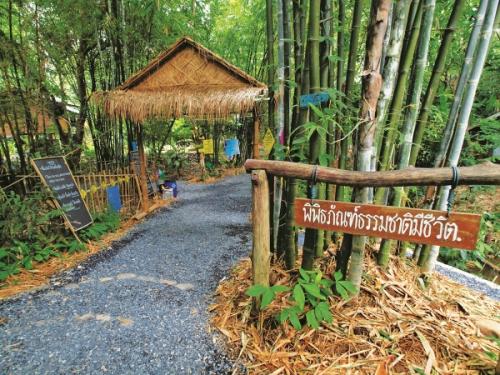
There are no charges for visiting Bhumirak Dhamachart Centerm except if you come in groups and need to participate in the activities that the Center has arranged. Here is an excellent learning source, which provides you understanding of the meaning of the word “sufficient” and how to use resources to gain the most benefits and appreciate its value. The walk around this place is in a circle, starting from the Northern Zone to be excited with the planting of various types of bamboo in both ways as well as the prettiness of the bamboo bridge, the bamboo house near the lotus pond, and the bamboo toys. It is exhibited in this way so that we will know about the many benefits of bamboo, including the making of the water dripping trough for watering the trees and soil to replace people; walking up the small mountains to learn about the wild mountain; hydraulic ram pump is to use water to compress the water to the highland instead of using the water pump, wet fire break system, benefits of vetiver grass, and how to build the check dam. Then, walking though the Central Zone to learn about New Theory Agriculture for the farmers to gain benefits from their own land to its value; learning how to build the soiled house and many types of herbs. After that, walking though the Northeastern Zone to visit the rice bank; learning about the rice milling and how to raise the livestock, in which huge cows can be seen in the stalls; how to make compost for own use so that there is no need to buy chemical fertilizer, and learn about Hom Din, which is how to bring back to good soil for farming by covering the land. But how to do that? It is better to learning by yourself. Lastly, going into the Southern Zone to look at how to burn charcoal from bamboo; how to make Biodiesel, and learn about Kaem Ling Project. Moreover, throughout the Center, I have seen many big and small watercourses along the way. There are pools, agricultural beds to grow crops, Chai Phatthana Hydraulic Turbine, the growing of vetiver in water, and many other things. This is the end of the walk where we have received knowledge and enjoy an untiring walk. Walking around, looking, listening, and asking the officer relentlessly just because things that we think ‘we know’ become things we never knew before. This is because we are used to all these projects or theories but we have never practiced or actually touched. How to travel: From Rangsit intersection, take the direction of Ong Kharak District. Head to use the route of Nakhon Nayok-Nang Rong Waterfall. Pass through Wang Takrai. Before reaching Nang Rong Waterfall for about 2 kilometers, turn right into Khun Dan Prakan Chon Dam Project. Go straight for about 3 kilometers until reaching the traffic circle (with the elephant statues). Go to the right to cross the bridge. When reaching the four-way intersection, turn right and go straight for 200 meters. The Center is on the left-hand side.
Nakhon Nayok
It is organized as a learning point station in a systematic way such as 1.1. Orchid seed service station and an orchid seed room 1.2. Planting station for various orchid species and increasing the value of orchids 1.3. Ornamental plant planting and propagation station 1.4. Biological production (Trichoderma Beauveria BT), composting does not return to the pile of Mae Jo formula. 1.5. Earthworm, cricket and sloping station 1.6. Hydroponics and Sky Vegetable Planting Station 1.7. Various types of mushroom cultivation stations 1.8. Plant seedling cultivation station and food processing from mushrooms 1.9. Different types of fruit plant propagation stations 1.10. Integrated Agricultural Station according to the Sufficiency Economy Philosophy (can be adjusted as appropriate)
Samut Sakhon
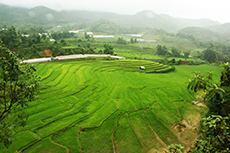
It is an agritourism attraction that is still natural and pure. It is also warm with the beautiful way of life of the hill tribes. During September to October is the rice farming season which is suitable period to visit.
Mae Hong Son
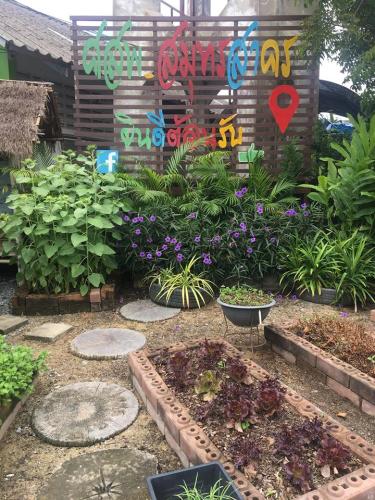
Supattra Land Garden is a collection of 25 types of tropical fruit trees such as durian, mangosteen, rambutan, grape, jackfruit, longan, star fruit, coconut, longkong, salaam, dragon fruit, and rose apple. There are many fruits and also hydroponic vegetables and beekeeping.
Rayong