คำค้นยอดฮิต: ข้าวเหนียวมะม่วง ของขวัญออแกนิค ผลไม้สด
TH | EN
฿ 0.00
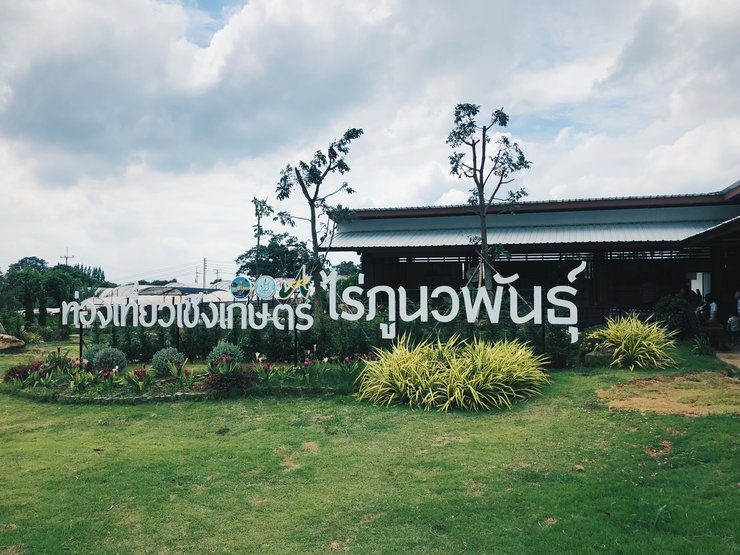
Phu Nawaphan Vineyard
Sub district Nong Yang Suea District Muak Lek Province Saraburi
Image
Image
Image
Image
Weather
Closed
Business hours
• Sunday
: 09:00 - 16:00
• Monday
: 09:00 - 16:00
• Tuesday
: 09:00 - 16:00
• Wednesday
: 09:00 - 16:00
• Thursday
: 09:00 - 16:00
• Friday
: 09:00 - 16:00
• Saturday
: 09:00 - 16:00
Note
: -
Review Score
0
Availability
0
Value
0
Service
0
Read more >
Information
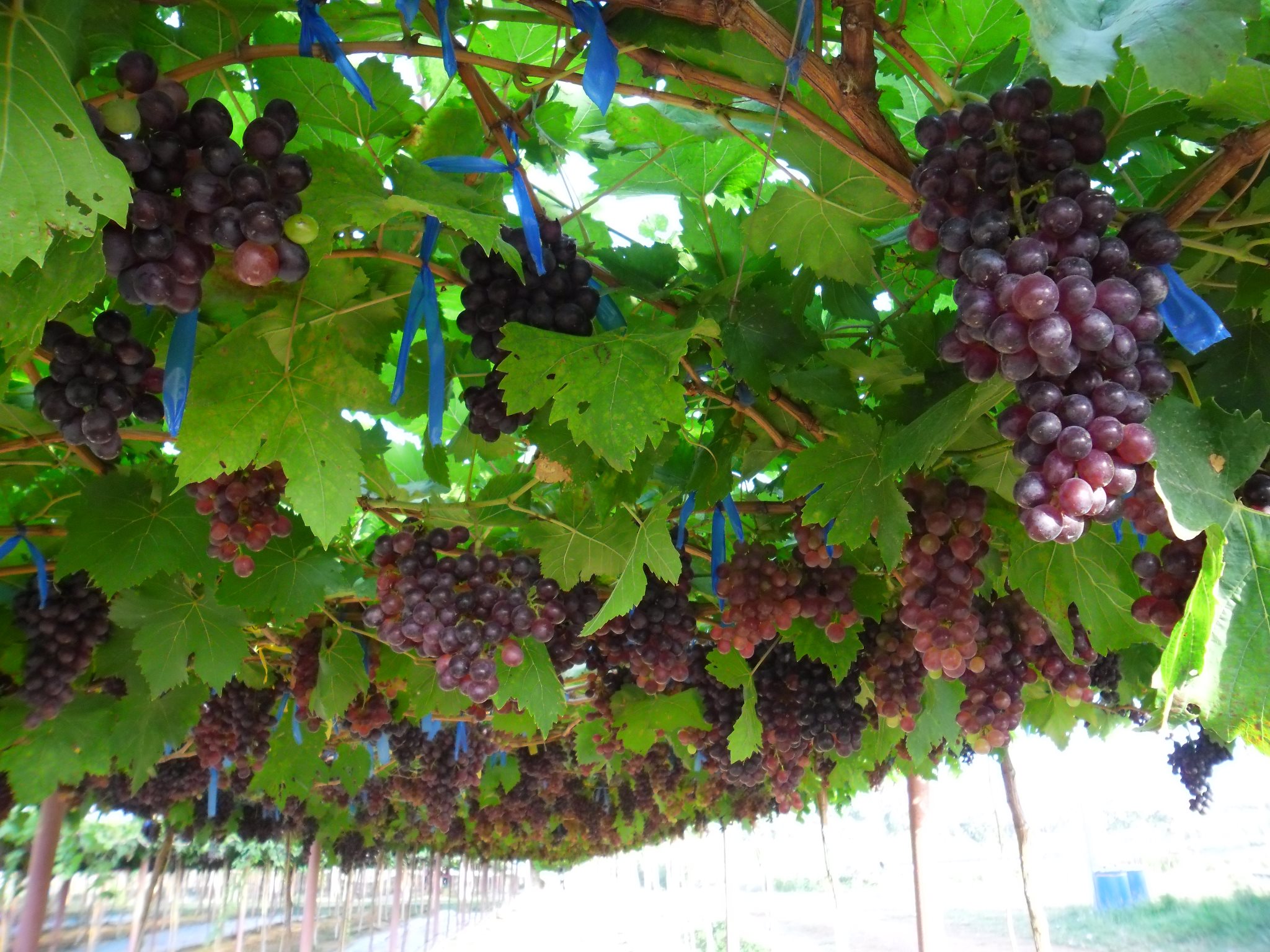
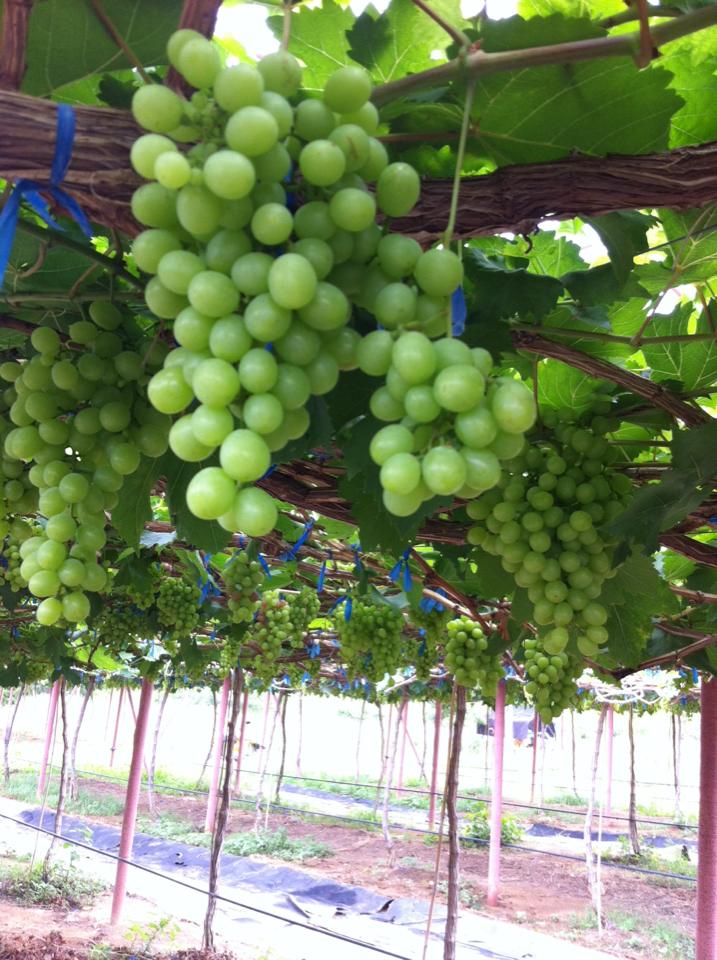
Phu Nawaphan Vineyard It is a vineyard with processed products of grapes, grapes, grape juice, etc.
Source
Thailand Tourism Directory
Recommended
Entrance fees
• Entrance fees: Non-fee
• Remark : -
Review (0)
0
จาก 5.0
Availability
Value
Service
Relate Agritourism
It is an eco-tourism attraction with non-toxic vegetables, flowering plants
Chiang Rai
There are no charges for visiting Bhumirak Dhamachart Centerm except if you come in groups and need to participate in the activities that the Center has arranged. Here is an excellent learning source, which provides you understanding of the meaning of the word “sufficient” and how to use resources to gain the most benefits and appreciate its value. The walk around this place is in a circle, starting from the Northern Zone to be excited with the planting of various types of bamboo in both ways as well as the prettiness of the bamboo bridge, the bamboo house near the lotus pond, and the bamboo toys. It is exhibited in this way so that we will know about the many benefits of bamboo, including the making of the water dripping trough for watering the trees and soil to replace people; walking up the small mountains to learn about the wild mountain; hydraulic ram pump is to use water to compress the water to the highland instead of using the water pump, wet fire break system, benefits of vetiver grass, and how to build the check dam. Then, walking though the Central Zone to learn about New Theory Agriculture for the farmers to gain benefits from their own land to its value; learning how to build the soiled house and many types of herbs. After that, walking though the Northeastern Zone to visit the rice bank; learning about the rice milling and how to raise the livestock, in which huge cows can be seen in the stalls; how to make compost for own use so that there is no need to buy chemical fertilizer, and learn about Hom Din, which is how to bring back to good soil for farming by covering the land. But how to do that? It is better to learning by yourself. Lastly, going into the Southern Zone to look at how to burn charcoal from bamboo; how to make Biodiesel, and learn about Kaem Ling Project. Moreover, throughout the Center, I have seen many big and small watercourses along the way. There are pools, agricultural beds to grow crops, Chai Phatthana Hydraulic Turbine, the growing of vetiver in water, and many other things. This is the end of the walk where we have received knowledge and enjoy an untiring walk. Walking around, looking, listening, and asking the officer relentlessly just because things that we think ‘we know’ become things we never knew before. This is because we are used to all these projects or theories but we have never practiced or actually touched. How to travel: From Rangsit intersection, take the direction of Ong Kharak District. Head to use the route of Nakhon Nayok-Nang Rong Waterfall. Pass through Wang Takrai. Before reaching Nang Rong Waterfall for about 2 kilometers, turn right into Khun Dan Prakan Chon Dam Project. Go straight for about 3 kilometers until reaching the traffic circle (with the elephant statues). Go to the right to cross the bridge. When reaching the four-way intersection, turn right and go straight for 200 meters. The Center is on the left-hand side.
Nakhon Nayok
King Bhumibol Adulyadej (King Rama IX) foresaw the significance of plant genetic conservation prior to a recognition of the terms “Biological Diversity” and “Conservation” in Thailand. During the trip to Klai Kang Won Palace, A. Hua Hin, Prachuap Khiri Khan Province in 1960, he passed through A. Tha Yang, Phetchaburi Province and noticed many Yang Na trees (Dipterocarpus alatus). Therefore, he had royal words to collect the seeds to plant at Phra Tamnak Piam Suk, Klai Kang Won Palace, and grow the seedlings at Royal Chitralada Projects to study. In 1985, King Rama IX gave a royal word to conserve jackfruit tress around the Grand Palace and initiated the plant conservation project in the palaces by tissue culture. Later in 1986, he had the royal idea to conserve and breed rattan palms and arrange the herbal garden in Royal Chitralada Projects area. Her Royal Highness Princess Maha Chari Sirindhorn carried on the plant conservation project by having the royal idea and asked Lord Chamberlain to carry out plant conservation project in June 1992, when the seed gene bank was formed, and study the preservation of non-industrial crops under the royal thought framework. In 1993, Mr. Sujin Phunikom, the Assistant Subdistrict Headman of Salui and Tha Sae District, Chumporn Province, and his group, cooperated with the Director of Ultra Products Co., Ltd. and the agriculturists in Chumporn Province to establish plant conservation project at the public area located at Moo.6, Salui District (presently Moo. 5 and 6, Salui District, and Moo.4 and 7, Song Phi Nong District). At the same time, the Royal Chitralada Projects was looking for the area to set up the Plant Genetic Conservation Project Under The Royal Initiative of Her Royal Highness Princess Maha Chari Sirindhorn. Subsequently, Royal Chitralada Projects represented by Professor Prachid Wamanont (the Consultant) and the team met with Chumporn Governor (Mr. Prayoon Promphan) to discuss about the project. The first five years, the project was named “Plant Conservation and Development Project Under The Royal Initiative of Her Royal Highness Princess Maha Chari Sirindhorn, Chumporn Province”. Chumporn Provincial Agricultural Extension proposed the project for the approval from Chumporn Governor and submit the project documents to the Director of Royal Chitralada Projects to respectfully inform to Her Royal Highness Princess Maha Chari Sirindhorn on 26 April 1993. Moreover, Plant Conservation and Development Project was integrated with the royal plant genetic conservation project, which Dr. Pisit Wora-urai was a Chairman. The executives meeting on 9 July 1997 had the resolution to change the project’s name from “Plant Conservation and Development Project Under The Royal Initiative of Her Royal Highness Princess Maha Chari Sirindhorn, Chumporn Province” to “Plant Genetic Conservation Project Under The Royal Initiative of Her Royal Highness Princess Maha Chari Sirindhorn”
Chumphon
Experience the local wisdom of the people in the community, and learn about Sufficiency Economy Philosophy.
Ubon Ratchathani
The ancient 200-year-old garden utilizes the resources for the long-term highest benefits. It is located at No. 5 Moo 11, Laem Sai Sub-district, Lang Suan District, Chumphon Province, about 2 kilometers from Lung Suan Market. Samroeng Rajavate, the fourth generation of the family, is a current caretaker. This is the mixed garden, where various fruits are grown in the same area. Whether Local Durian, Mangosteen, Local Rambutan, Langsat, Betel Nut, Coconut, Nutmeg, Sato, Lukniang, Sapodilla, Champa, Jackfruit, Mafai, Banana, Homegrown Vegetables, and Herbs. Without the use of chemical fertilizers to accelerate growth. The soil is treated by growing the grass to nourish the soil moisture throughout the year. Natural fertilizer is used, such as dead leaves and annual crop residues. For pest control, birds, squirrels, and tree shrews are eating worms and insects as food. The cost includes the labor cost during harvesting season to cut grass to facilitate the harvest and at the area to plant the trees that will be repaired.
Chumphon
Seasonal fruit garden with fragrant durian, sweet rambutan and delicious mangosteen; affordable price, pay attention to every plant delivered directly to the customer
Saraburi
Thai Mangosteen Garden (Suan Khun Panya) has more than 300 mangosteen trees and various kinds of fruits, such as rambutan, durian and dragon fruit. It is an agro-tourism attraction where the visitors can come and enjoy the fruit buffet for 150 baht per person. This garden also has the homestay accommodation available.
Rayong
Winter Flowers Learning Plot - Cymbidium orchid cut flowers - convert tulips Myrrh Learning Plot - Rosemary - Geranium How to grow crops in conservation on the highlands learning plot - Avocado - Arabica coffee - Macadamia Methods for organizing activities - There is a photo spot, parking lot, restroom available. - Take a walk around the learning plots (flower plants, fragrant plants, conservation plants) and learn about propagation and planting/care - There is a point for selling community products, products, vegetables, fruit trees, field crops. - Drinks, coffee, tea, Jiaogulan are available. - There is a house / tent camping service. Participation of tourists - See, taste, shop, community products, bag products, souvenirs, agricultural products, winter fruit trees, field crops, seasonal vegetables - Take a photo, check-in, flower/tulip plots - Take a walk around the learning plot inside the center - Indulge in the atmosphere of the sea of mist in the winter of Chiang Rai. Tour program: 2 days 1 night program Day One 09.30 Depart from Mae Fah Luang International Airport, Chiang Rai, travel to Cherntawan Farm. 10.00 Stop for breakfast at “Phu Thian Resort” / “Jui Kung Pao” 11.00 Cherntawan Rai, study Dharma and the concept of the University of Buddhist Economics (Alternative educational institutions for development according to Buddhist economic philosophy) integrated natural agriculture 12.00 Depart from Cherntawan Farm Stop for a meal at "Lanna Tawanwa" restaurant. 13.00 Watch a demonstration of roasting Assam tea and making Miang, the original model by the farmer community, Mae Loi tea production community. 14.00 Depart from Mae Loi Tea Production Community Enterprise Group To Rai Ruen Ruen, Ngew Subdistrict, Thoeng District 14.30 See the beauty of the organic farm by the new generation, Snack from organic farming plots directly for health, learning and new experiences both principles and actions 15.00 Depart from Rai Ruen Ruen to Doi Pha Mon Center 17.00 Tribal dinner, grilling, activities around the bonfire. along with watching performances from ethnic youth farmers Tribal arts and culture from the community amidst nature and sunset Day Two 04.30 Wake up, do personal tasks 05.00 Travel to the top of Phu Chi Fa Admire the beautiful natural scenery mountains and sea of clouds 06.00 Return to Doi Pha Mon Center 07.00 Have breakfast 08.00 Enjoy the agricultural activities of the center, Doi Pha Mon, see the fragrant plants, tulips, see the beauty of the Cymbidium plots and learn how to grow coffee, avocado and macadamias, taste fresh coffee. High quality from farmers 12.00 Take a break for lunch 13.00 Travel to Ban Phithak Thai Organic Coffee Producers Group. 13.30 Take a walk around the organic coffee plot by the farmers group of Ban Phithak Thai organic coffee producers. Join to study the process of growing good quality organic coffee. Buy souvenirs from ethnic communities 14.30 Travel to Chiang Rai Clock Tower Important landmarks of Chiang Rai 16.00 Buy community products Local food, souvenirs, souvenirs Route links to other attractions: 1) Phu Chi Fa, Tub Tao Subdistrict, Thoeng District, 11 km distance 2) Pha Tang, Po Subdistrict, Wiang Kaen District, a distance of 36 km. 3) Doi Chom Dao, Tub Tao Subdistrict, Thoeng District, distance 6 km.
Chiang Rai
Phu Mak Prik is a community forest, in Kut Chum Subdistrict, Kut Chum District, Yasothon Province, in the past, it was an area on Phu Suan Nueng which used to be a source of chili gardening until it has deteriorated. Subsequently, the forest was restored and replanted to become greener again after serious care from the Phu Mak Prik Sect. which developed into a temple of Phu Mak Prik later. And currently, the temple is in the process of building a new half-timbered and half-cemented ubosot amidst the shady nature of trees. It is expected that when finished it will be very beautiful. On Wat Phu Mak Phrik, there is peace and tranquility. It is a shady place to practice meditation. There is also a small viewpoint which those who go up to visit the temple can visit as well. The entrance to the viewpoint might be a bit difficult to see, but you can ask for directions from the monks in the temple
Yasothon
It is a beautiful, shady fruit garden. The uniqueness of the taste of fruit, whether it is durian, rambutan, mangosteen and longkong, is why the owner of the garden has emphasized that this place has quality fruits. Its quality is at the GAP level by adopting a good quality farming system into production. The GAP system itself helps to increase the quality of productivity and safe for consumers, including the farmers themselves. Because the GAP system controls the use of chemicals to a level that is safe for consumers. Therefore, consumers or tourists can rest assured that they are safe and secure.
Rayong
Ban Rai Chaisuri is at Si Bun Rueang Subdistrict, Mueang, Mukdahan. It is a learning center for a career according to the sufficiency economy. This place is available for the general public and tourists to learn about various agriculture to apply for a career.
Mukdahan
Promoting and supporting agricultural occupations of Sakhu sub-district
Phuket