คำค้นยอดฮิต: ข้าวเหนียวมะม่วง ของขวัญออแกนิค ผลไม้สด
TH | EN
฿ 0.00
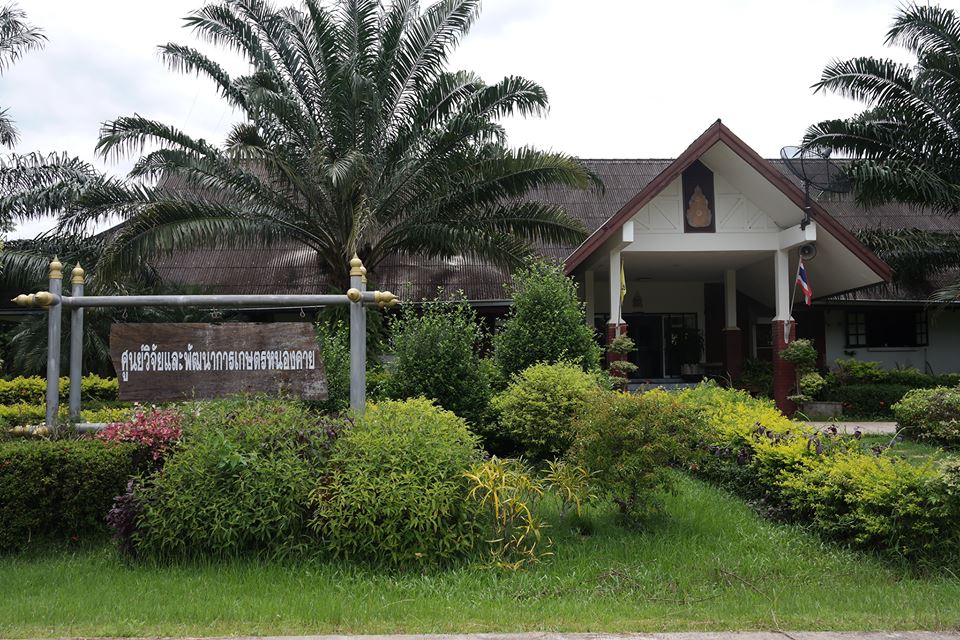
Nong Khai Agricultural Research and Development Center
Sub district Rattana Wapi District Rattanawapi Province Nong Khai 43120
Image
Image
Image
Image
Weather
Closed
Business hours
• Sunday
: 09:00 - 16:00
• Monday
: 09:00 - 16:00
• Tuesday
: 09:00 - 16:00
• Wednesday
: 09:00 - 16:00
• Thursday
: 09:00 - 16:00
• Friday
: 09:00 - 16:00
• Saturday
: 09:00 - 16:00
Note
: -
Review Score
0
Availability
0
Value
0
Service
0
Read more >
Information
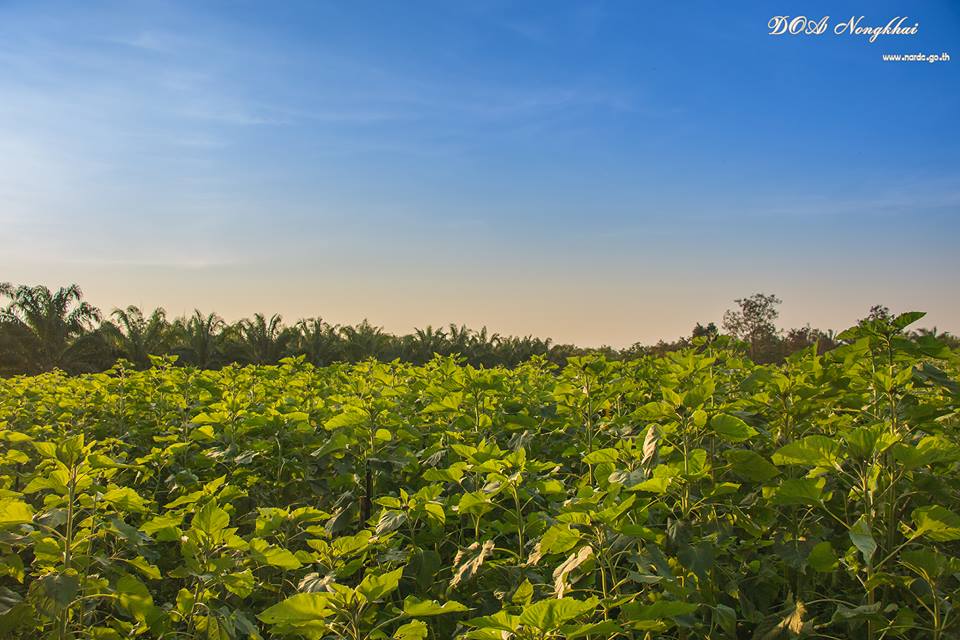
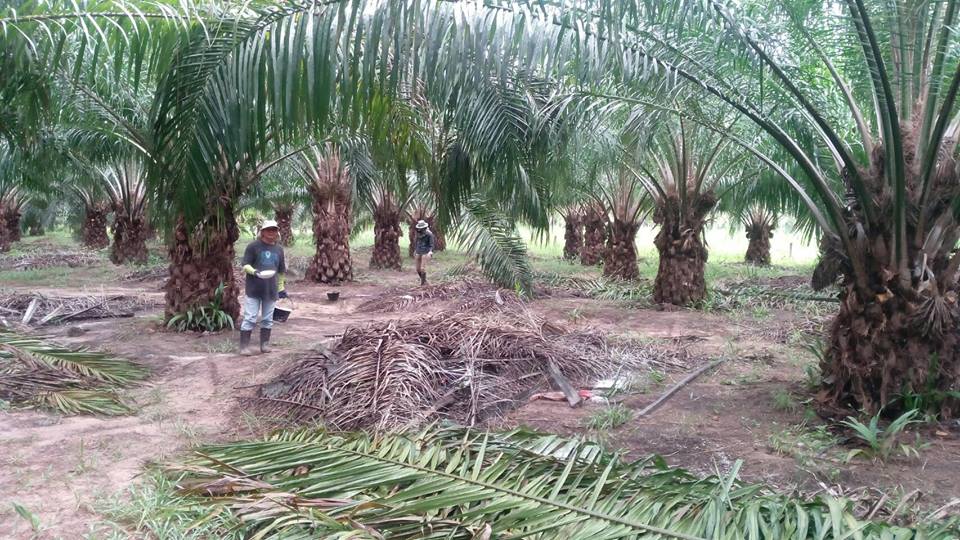
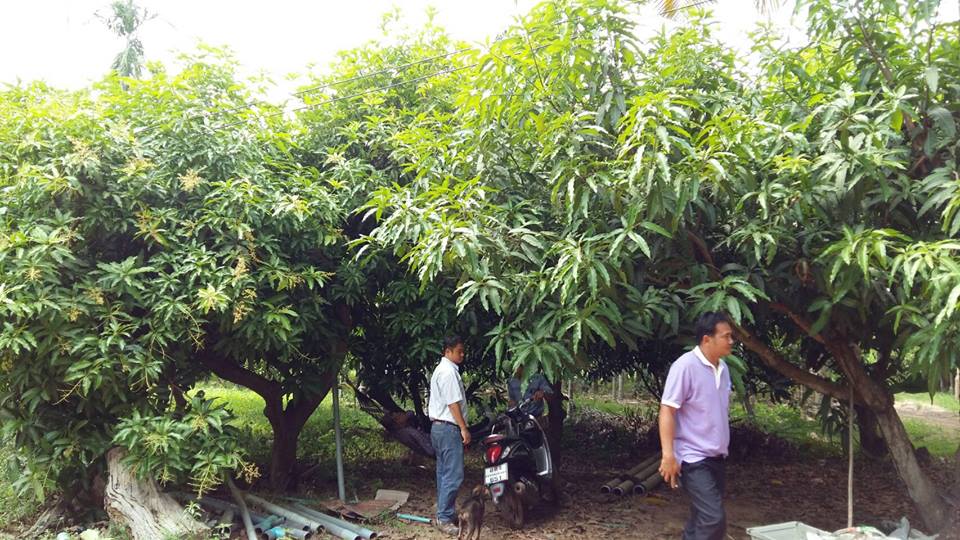
The plot collects more than 100 types of fragrant plants and herbs from the northeastern region.
Source
Thailand Tourism Directory
Recommended
Entrance fees
• Entrance fees: Non-fee
• Remark : -
Review (0)
0
จาก 5.0
Availability
Value
Service
Relate Agritourism
This trip is very suitable because we only bring a few hundred baht per person, and still can enjoy a vacation that is happy and fun like this. It is a trip near to Saraburi, with a waterfront accommodation at a price of few hundreds Baht; it is named "Yai Eid Riverside Garden". Although the price is cheap like this, the atmosphere is really rich. The highlight of this place is the emerald river, which is very beautiful because the water is so clear. It's a really beautiful emerald green color where tourists can swim together and enjoy.
Saraburi
The villagers of Ban Na Ton Chan have a traditional way of life mixed farming. There is mud fermented cloth which made into a good weight fabric. It is beautiful with mud fermentation and intricate weaving. Villagers have adjusted the area for camping. Raise the bamboo litter to make a seat for eating, make a toilet, the rest is still in the same condition as before. This mountain ridge has beautiful scenery. Visitors can watch the sunrise and sunset at the same point. There are about 23 homestays in Ban Na Ton Chan, living separately or in the same house as the owner of the house. Visitors can indulge in the nature around the accommodation with a fully equipped kitchen, they can buy food, cook, and eat comfortably. There are cycling activities to see the way of life in the village. See orchards and fields with a community guide and visit the fruit orchards of the villagers are some activities. Tourism program : - Stay at Baan Na Ton Chan homestay which currently has a total of 23 houses. - Biking to see the way of life in the village, visiting fruit orchards and fields. - Watch how to make mud fermented cloth, weaving by hand, Yok Dok cloth, and buying ready-made mud fermented fabrics. - See how to make a barn doll (Ban Ta Wong) - See stump handicrafts - See and taste seasonal fruits such as durian, rambutan, longkong, mango, maprang, mafai, longan. - View point "Huai Ton Hai" to watch the sea of ​​mist and the sun - Watch and test how to cook rice and local food, and sip coffee in a bamboo tube. Route links with other attractions: - Si Satchanalai Historical Park Si Satchanalai District, 30 kilometers - Antique gold shop, antique silver shop 30 kilometers - Namtok Pa Kha National Park 70 kilometers - Sukhothai Historical Park (Old Town Sukhothai) 77 kilometers - Ramkhamhaeng National Park 110 km.
Sukhothai
Agricultural Technology Promotion Center for Economic Insects Chiang Mai Province Established in 1980 It is an agency under the Department of Agricultural Extension. Ministry of Agriculture and Cooperatives It plays a major role in research studies. Test and apply economic insect farming technology Promote and transfer economic insect culture technology as a center for development, production, expansion and distribution of economic insect species, as well as providing basic product quality inspection services and diagnosis of diseases and pests of economic insects to farmers and interested parties. It is also a tourist attraction. Agribusiness that is open to both Thai and foreign tourists to get to know and learn about the life of bees and important economic insects of Thailand. Each year, both Thai and foreign tourists visit to study work and travel to the learning points that the center has exhibited, such as learning points on beekeeping, bee breeding, burrow bee, cricket, lac, queen bee, and product processing. and also provide “Honey Shop” product display and distribution point where tourists can watch, taste and buy real, good quality honey and other processed products. of community enterprises and entrepreneurs Tourism program : Learning point/base interesting activities 1. Breeding bees. Open house for breeding bees. (Acquaintance with bees, life cycle and well-being of bees in the hive) Keeping and maintaining bee health checks collecting nectar from flowers and sap. Preliminary analysis of honey quality. 2.Honey bees Wild bees make money. (Get to know the burrowing bees and natural nest building. Traditional poaching beekeeping techniques Modern honey beekeeping Protecting against the pests of honey bees Techniques for collecting good quality honey 3. Chan Rong Open House Chan Rong (Get to know the amazing mini bee, the best pollinator). propagation Nectar, pollen and resin collection behavior of saplings Making resin extracts and their uses 4. Crickets Crickets are the world's reserve protein food source. Commercial cricket species Standard farming techniques and management Processing crickets as food Learning point/base interesting activities 5. Shellac: Get to know lac insects/life cycle and benefits. Transplanting plants for lac culture farming techniques Care and harvest Technology for protection and nursery of lac species during the dry season 6. The queen bee opens the experience of finding the queen bee queen in the hive. birth of queen bee The Great Duties of the Queen Bee Techniques for cultivating queen bees 7. Processed products Watch/Taste/Touch A variety of bee products, natural gifts. The benefits of bee products Tips for buying honey Processing bee products into products for daily use Route links with other attractions: - Chiang Mai Night Safari Night Zoo, distance 750 m. - Royal Park Ratchaphruek, a distance of 1 km. - Wat Inthrawat (Wat Ton Kwen), a distance of 2.5 km. - Wat Phra That Doi Kham, a distance of 4.4 km. - Baan Tawai Handicraft Center, a distance of 10 km. - Wiang Kum Kam, a distance of 11 km.
Chiang Mai
Phu Mak Prik is a community forest, in Kut Chum Subdistrict, Kut Chum District, Yasothon Province, in the past, it was an area on Phu Suan Nueng which used to be a source of chili gardening until it has deteriorated. Subsequently, the forest was restored and replanted to become greener again after serious care from the Phu Mak Prik Sect. which developed into a temple of Phu Mak Prik later. And currently, the temple is in the process of building a new half-timbered and half-cemented ubosot amidst the shady nature of trees. It is expected that when finished it will be very beautiful. On Wat Phu Mak Phrik, there is peace and tranquility. It is a shady place to practice meditation. There is also a small viewpoint which those who go up to visit the temple can visit as well. The entrance to the viewpoint might be a bit difficult to see, but you can ask for directions from the monks in the temple
Yasothon
King Bhumibol Adulyadej (King Rama IX) foresaw the significance of plant genetic conservation prior to a recognition of the terms “Biological Diversity” and “Conservation” in Thailand. During the trip to Klai Kang Won Palace, A. Hua Hin, Prachuap Khiri Khan Province in 1960, he passed through A. Tha Yang, Phetchaburi Province and noticed many Yang Na trees (Dipterocarpus alatus). Therefore, he had royal words to collect the seeds to plant at Phra Tamnak Piam Suk, Klai Kang Won Palace, and grow the seedlings at Royal Chitralada Projects to study. In 1985, King Rama IX gave a royal word to conserve jackfruit tress around the Grand Palace and initiated the plant conservation project in the palaces by tissue culture. Later in 1986, he had the royal idea to conserve and breed rattan palms and arrange the herbal garden in Royal Chitralada Projects area. Her Royal Highness Princess Maha Chari Sirindhorn carried on the plant conservation project by having the royal idea and asked Lord Chamberlain to carry out plant conservation project in June 1992, when the seed gene bank was formed, and study the preservation of non-industrial crops under the royal thought framework. In 1993, Mr. Sujin Phunikom, the Assistant Subdistrict Headman of Salui and Tha Sae District, Chumporn Province, and his group, cooperated with the Director of Ultra Products Co., Ltd. and the agriculturists in Chumporn Province to establish plant conservation project at the public area located at Moo.6, Salui District (presently Moo. 5 and 6, Salui District, and Moo.4 and 7, Song Phi Nong District). At the same time, the Royal Chitralada Projects was looking for the area to set up the Plant Genetic Conservation Project Under The Royal Initiative of Her Royal Highness Princess Maha Chari Sirindhorn. Subsequently, Royal Chitralada Projects represented by Professor Prachid Wamanont (the Consultant) and the team met with Chumporn Governor (Mr. Prayoon Promphan) to discuss about the project. The first five years, the project was named “Plant Conservation and Development Project Under The Royal Initiative of Her Royal Highness Princess Maha Chari Sirindhorn, Chumporn Province”. Chumporn Provincial Agricultural Extension proposed the project for the approval from Chumporn Governor and submit the project documents to the Director of Royal Chitralada Projects to respectfully inform to Her Royal Highness Princess Maha Chari Sirindhorn on 26 April 1993. Moreover, Plant Conservation and Development Project was integrated with the royal plant genetic conservation project, which Dr. Pisit Wora-urai was a Chairman. The executives meeting on 9 July 1997 had the resolution to change the project’s name from “Plant Conservation and Development Project Under The Royal Initiative of Her Royal Highness Princess Maha Chari Sirindhorn, Chumporn Province” to “Plant Genetic Conservation Project Under The Royal Initiative of Her Royal Highness Princess Maha Chari Sirindhorn”
Chumphon
Phra That Yasothon or Phra That Anon located in front of the ubosot; it is one of the important old relics in the northeastern region. It has Rectangular chedi with a top similar to Phra That Phanom, and inside the Phra That contains the relics of Phra Anon. The construction was influenced by Laos art that was popularly built during the late Ayutthaya period to the early Rattanakosin period which corresponds to the history of setting up the city and the history of Wat Mahathat
Yasothon
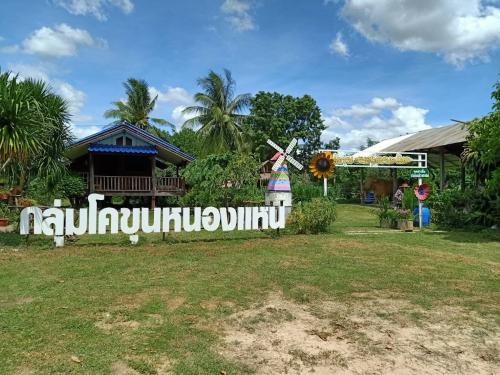
Kho Khun Nong Haen Group is a new agricultural attraction for livestock in Yasothon province; by opening a farm to welcome tourists to experience the lifestyle of a community of successful fattening cattle herders at the national level. Show the knowledge of cattle that are raised like a beloved pet as well as providing knowledge on the integration of groups and raising fattening cattle to generate income. Tourists can go for a day trip or stay overnight in the form of a homestay. In addition, there are beef cattle for sale to tourists who are interested in cooking at home at an affordable price.
Yasothon
1 agricultural learning ground of Ban Na Nam Sam, 10 grounds as follow: 1) Learning ground for the production of bio-based substances (Trichoderma, Beauveria, BT, wild microorganisms, nematodes) 2) Charcoal/Wood Vinegar Distillation Learning Ground 3) Local egg raising ground 4) Mushroom cultivation ground 5) Organic Asparagus Planting ground 6) Freshwater fish farming ground 7) The composting ground 8) Herbal Refinery Ground 2 Study natural attractions 1) Pha Nam Thip Cave Sacred water from nature 2) Bat Cave, discover the natural wonders of millions of bats. 3) Chompoo Cave 4) Wat Khao Sam Yot 5) Tad Fa Waterfall 6) Tad Tao water 7) Phu Ta Lor Cave 8) Dong Sakran Viewpoint 9) Dong Lan Forest Development Project 3 agricultural learning resources 1) Growing Asparagus 2) Planting and propagating guava 3) Longan orchard generates income 4) Mushroom cultivation for additional income tourism program 2 days 1 night program Learn about agriculture at 1-2 ground center > have lunch > visit Pha Nam Thip Cave > watch bats > have dinner > relax at homestay / Phu Pha Man Camp > Asparagus plot > Golden banana plantation > Khao Temple Sam Yot > have lunch > go back Note – Tour programs and service fees may change as appropriate. - 3 snacks 1 day program Learn about agriculture at center 1-2 bases > have lunch > visit Pha Nam Thip Cave > watch bats > go back Note – Tour programs and service fees may change as appropriate. - 2 snacks Route links with other attractions (with distance/km) 1) Pha Nam Thip Cave Sacred water source from nature, a distance of 3 km. 2) Bat Cave, a distance of 6 km. 3) Chompoo Cave, a distance of 4 km. 4) Wat Khao Sam Yot, a distance of 6 km. 5) Tad Fa Waterfall, a distance of 18 km. 6) Nam Phut Tat Tao, a distance of 12 km. 7) Phu Ta Lor Cave, a distance of 16 km. 8) Dong Sakran Viewpoint, a distance of 18 km. 9) Dong Lan Forest Development Project, a distance of 22 km. Community enterprise products in the community 1 Ban Son Tai Community Shop, Village No. 3, Ban Son Tai, Non Kom Subdistrict, selling Phu Pha Man folk clothes 2 Ban Non Kom Community Shops, Village No. 1, Ban Non Kom, Non Kom Subdistrict, selling local products and souvenirs.
Khon Kaen
Rai Khun Mon is a mixed agricultural plantation, organic vegetable garden and a factory to process various products such as corn milk, vegetable juice, banana/jackfruit dried. Krayasart coated with vegetable juice, corn Meatballs, corn milk ice cream, healthy homeopathic food and a learning center for Thai wisdom on an area of ​​150 rai with modern machinery Tourism program Learn activities based on various bases. 1. Corn milk production base 2. Corn milk ice cream production base 3. The base for collecting fresh corn from the field 4. Sesame oil extraction base 5. Wood vinegar extraction base and Iwate charcoal furnace 6. The base for making a compress 7. Earth house Other attractions along the route (with distance/km) River Kwai Bridg, Kanchanaburi War Cemetery, a distance of 25 kilometers Wat Tham Suea (Tiger Cave Temple), a distance of 30 kilometers Giant Raintree, a distance of 30 kilometers Community enterprise products Corn milk, sesame oil Vacuum baked bananas
Kanchanaburi
Dong Muang Toei is the old city of the Khmer period. No one knows when it has been an abandoned city for how long. The condition seen from many generations of great-grandparents; Dong Muang Toei has high forests with transparent in the bottom ground. There were some small trees and the big trees are rubber trees, tabaek trees, and Yang Hiang trees. It is a very dense forest. The parents and grandparents did not dare to cut down the trees in this grove because Dong Muang Toei has a fierce ghost called the Ghost of Grandfather. The forest is the habitat of monkeys and many birds. The marsh around Dong Muang Toei is a deep swamp with water all year round. It is a habitat and a natural breeding ground for fish. In addition to birds and this swamp is known to have the most turtles. The reason there are so many turtles, the villagers worship the spirits of their grandfathers. Grandfather forbids anyone to eat and destroy his animals, monkeys and turtles, and if they cause harm, they shall be punished accordingly. Later, about 90 years ago, Song Puei villagers had a shaman who studied sorcery to perform a ceremony to defeat the ghosts of Muang Toei. This sorcerer's name is Elder Suwo. This incident coincides with the reign of Father Yai Agrahad. It was the eyes of the light when villagers near and far heard the news that Father Yai Suwo had defeated the Phi Dong Muang Toei. They flocked to catch fish turtles from Muang Toei for food until they almost cleared the swamp. So turtles are almost extinct until now. Father Yai Suwo has shared the swamp as a land for brothers and sisters to cultivate until today. As for Dong Muang Toei, the area has been divided into farming, gardening, and growing crops as much as today. This is true Elderly people who have reached 90 years of age, such as Father Yai, light scent, Father Big Bu Kokpuei, are still alive as witnesses.
Yasothon