คำค้นยอดฮิต: ข้าวเหนียวมะม่วง ของขวัญออแกนิค ผลไม้สด
TH | EN
฿ 0.00
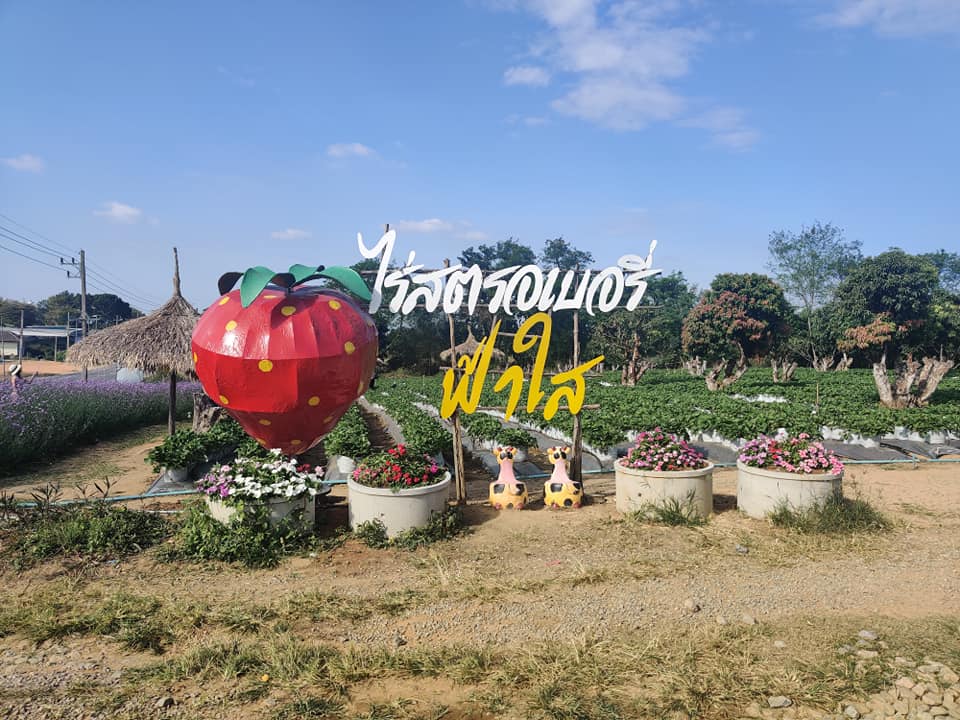
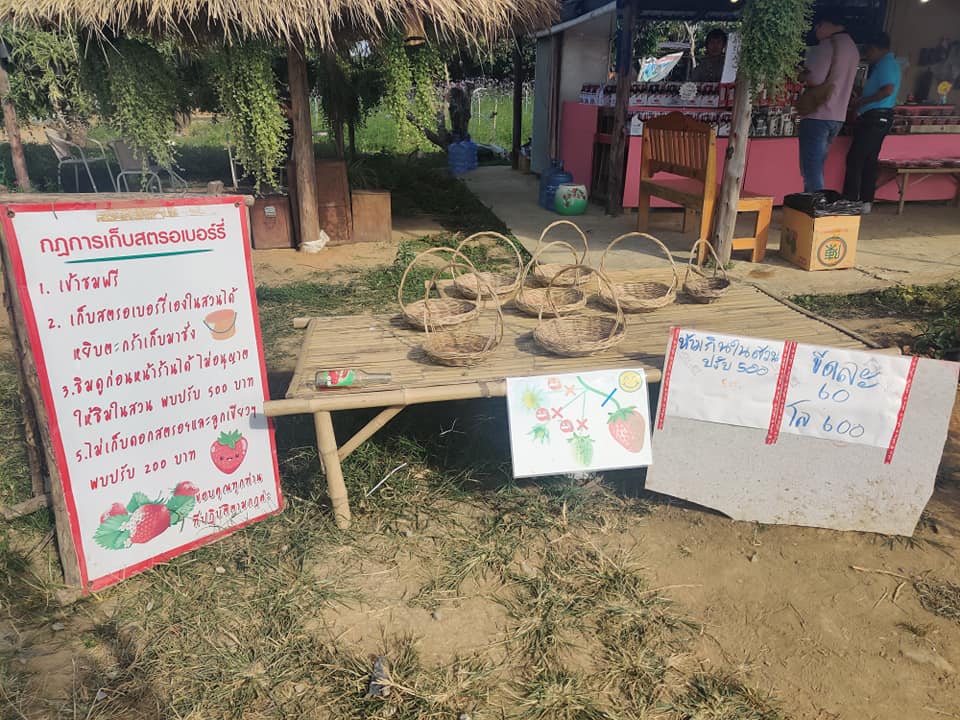
Fahsai Strawberry Farm Wang Nam Khiao
Sub district Wang Mi District Wang Nam Khiao Province Nakhon Ratchasima
Image
Image
Image
Image
Weather
Closed
Business hours
• Sunday
: 09:00 - 16:00
• Monday
: 09:00 - 16:00
• Tuesday
: 09:00 - 16:00
• Wednesday
: 09:00 - 16:00
• Thursday
: 09:00 - 16:00
• Friday
: 09:00 - 16:00
• Saturday
: 09:00 - 16:00
Note
: -
Review Score
0
Availability
0
Value
0
Service
0
Read more >
Information
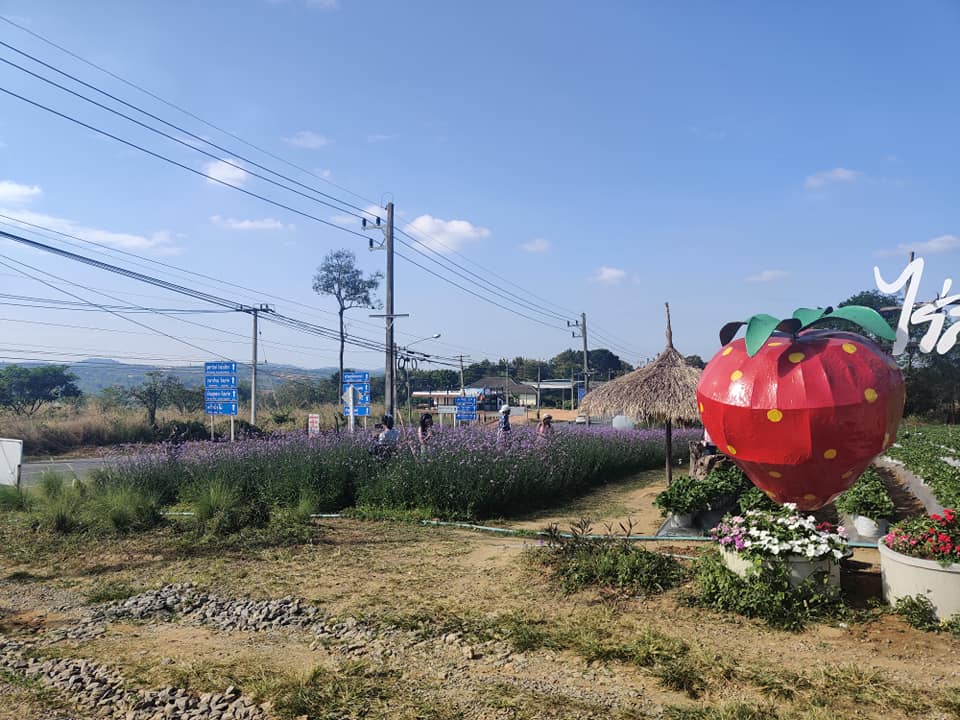
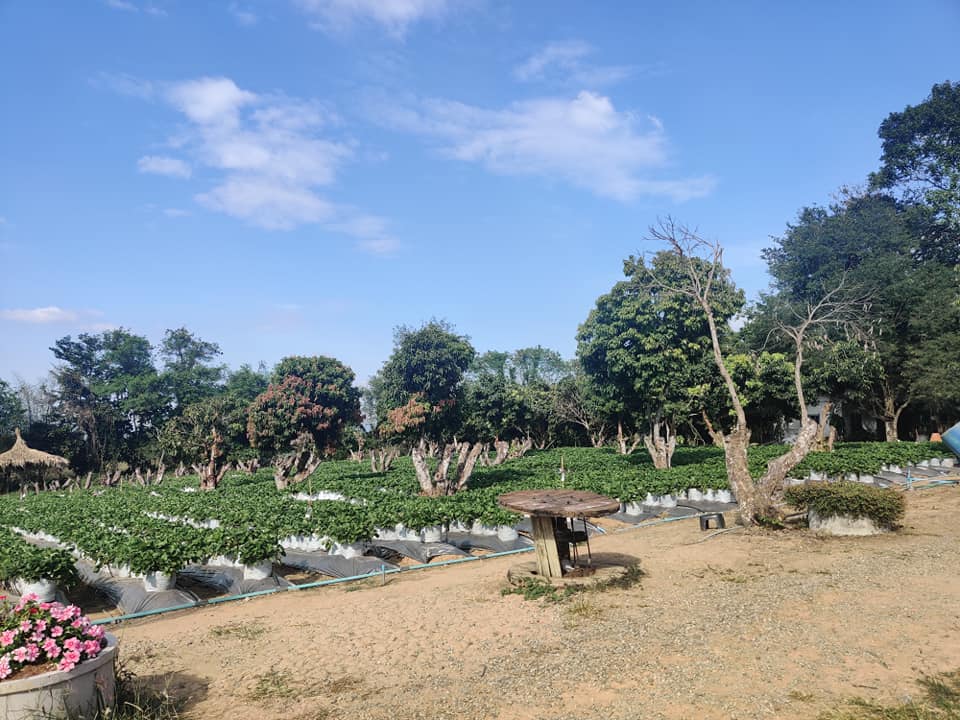
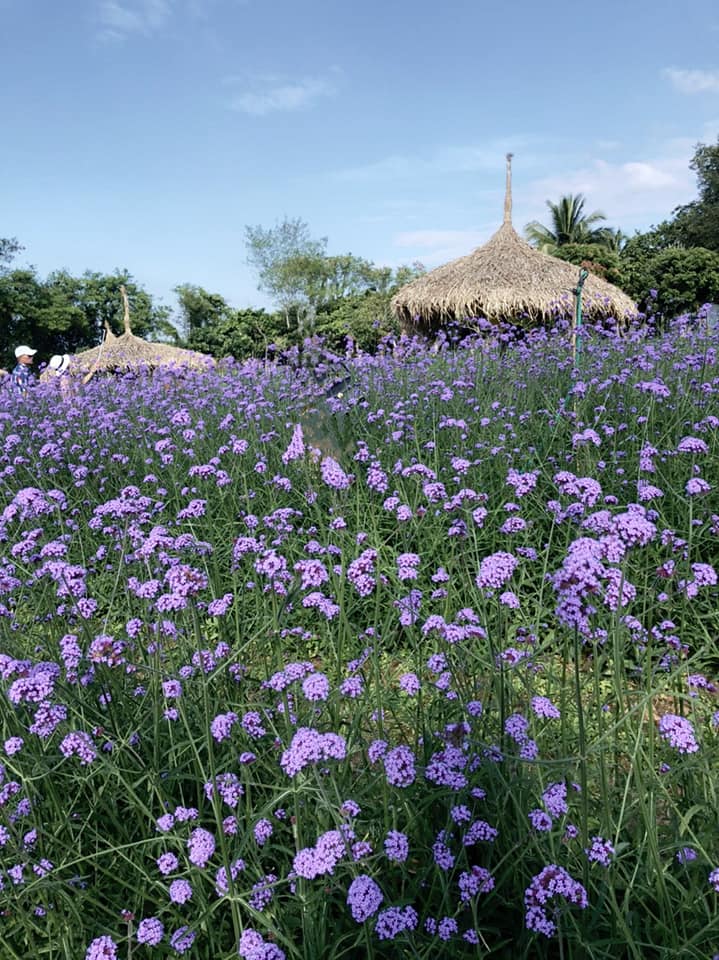
There is a photogenic Violet in front of the farm and it is available to pick fresh strawberries from the trees here.
Source
Thailand Tourism Directory
Recommended
Entrance fees
• Entrance fees: Non-fee
• Remark : -
Review (0)
0
จาก 5.0
Availability
Value
Service
Relate Agritourism
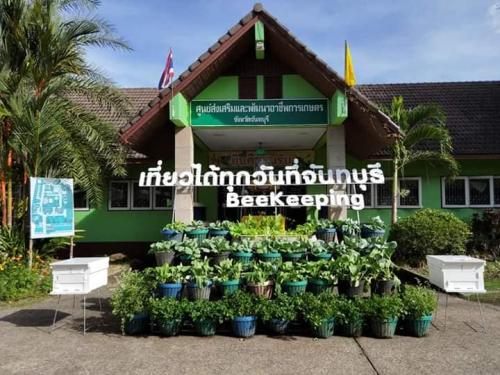
Agricultural Occupational Promotion and Development Center, Chanthaburi Province: It is an agency of the Department of Agriculture Extension. It has duties to educate and practice agricultural careers for farmers and people who are interested. It is an agricultural tourist attraction and a study site for farming and economic insects, processing of bee products and stalks and agriculture in line with sufficiency economy. There are various learning spot within the center as follows: • Learning point for breed beekeeping • Learning point for honey beekeeping • Learning point for Steep beekeeping • Learning point for raising crickets • Learning Point for Bee Product Processing and honey bees • Learning point for agriculture based on the sufficiency economy (planting vegetables in containers Oyster Mushroom cultivation) Tour Program All year Route links with other attractions (with distance/km) • Chanthaburi Agricultural Research and Development Center (Thung Ple), 21 km. • Royal Initiative Fruit Tree Development Center, Chanthaburi, 24 km. • Office of Agricultural Research and Development, District 6, Chanthaburi, 25 km. • Khung Kraben Bay Development Study Center, 48 km. • Baan Pattawee Community Learning Center, 5 km. Community Enterprise Products: • Bee Honey • Stingless Honey • Processed products from bees and stingless bees (honey soap, herbal honey shampoo, herbal bee wax, Beeswax Lip Balm, Propolis Lotion Honey Cream)
Chanthaburi
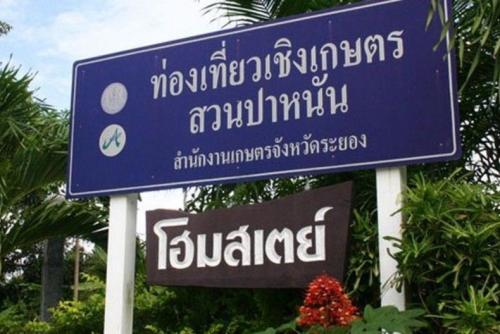
Panan garden has many types of fruit planted there, including rambutan, mangosteen, longkong, durian. The cost of visiting Panan garden during May - June, when the orchard is full of fruit is 200 baht per person (price subject to change). In addition, there is also accommodation in the orchard.
Rayong
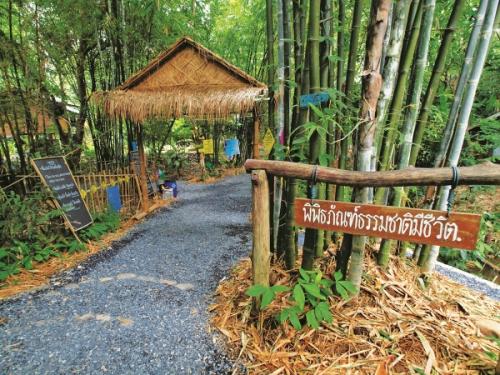
There are no charges for visiting Bhumirak Dhamachart Centerm except if you come in groups and need to participate in the activities that the Center has arranged. Here is an excellent learning source, which provides you understanding of the meaning of the word “sufficient” and how to use resources to gain the most benefits and appreciate its value. The walk around this place is in a circle, starting from the Northern Zone to be excited with the planting of various types of bamboo in both ways as well as the prettiness of the bamboo bridge, the bamboo house near the lotus pond, and the bamboo toys. It is exhibited in this way so that we will know about the many benefits of bamboo, including the making of the water dripping trough for watering the trees and soil to replace people; walking up the small mountains to learn about the wild mountain; hydraulic ram pump is to use water to compress the water to the highland instead of using the water pump, wet fire break system, benefits of vetiver grass, and how to build the check dam. Then, walking though the Central Zone to learn about New Theory Agriculture for the farmers to gain benefits from their own land to its value; learning how to build the soiled house and many types of herbs. After that, walking though the Northeastern Zone to visit the rice bank; learning about the rice milling and how to raise the livestock, in which huge cows can be seen in the stalls; how to make compost for own use so that there is no need to buy chemical fertilizer, and learn about Hom Din, which is how to bring back to good soil for farming by covering the land. But how to do that? It is better to learning by yourself. Lastly, going into the Southern Zone to look at how to burn charcoal from bamboo; how to make Biodiesel, and learn about Kaem Ling Project. Moreover, throughout the Center, I have seen many big and small watercourses along the way. There are pools, agricultural beds to grow crops, Chai Phatthana Hydraulic Turbine, the growing of vetiver in water, and many other things. This is the end of the walk where we have received knowledge and enjoy an untiring walk. Walking around, looking, listening, and asking the officer relentlessly just because things that we think ‘we know’ become things we never knew before. This is because we are used to all these projects or theories but we have never practiced or actually touched. How to travel: From Rangsit intersection, take the direction of Ong Kharak District. Head to use the route of Nakhon Nayok-Nang Rong Waterfall. Pass through Wang Takrai. Before reaching Nang Rong Waterfall for about 2 kilometers, turn right into Khun Dan Prakan Chon Dam Project. Go straight for about 3 kilometers until reaching the traffic circle (with the elephant statues). Go to the right to cross the bridge. When reaching the four-way intersection, turn right and go straight for 200 meters. The Center is on the left-hand side.
Nakhon Nayok
King Bhumibol Adulyadej (King Rama IX) foresaw the significance of plant genetic conservation prior to a recognition of the terms “Biological Diversity” and “Conservation” in Thailand. During the trip to Klai Kang Won Palace, A. Hua Hin, Prachuap Khiri Khan Province in 1960, he passed through A. Tha Yang, Phetchaburi Province and noticed many Yang Na trees (Dipterocarpus alatus). Therefore, he had royal words to collect the seeds to plant at Phra Tamnak Piam Suk, Klai Kang Won Palace, and grow the seedlings at Royal Chitralada Projects to study. In 1985, King Rama IX gave a royal word to conserve jackfruit tress around the Grand Palace and initiated the plant conservation project in the palaces by tissue culture. Later in 1986, he had the royal idea to conserve and breed rattan palms and arrange the herbal garden in Royal Chitralada Projects area. Her Royal Highness Princess Maha Chari Sirindhorn carried on the plant conservation project by having the royal idea and asked Lord Chamberlain to carry out plant conservation project in June 1992, when the seed gene bank was formed, and study the preservation of non-industrial crops under the royal thought framework. In 1993, Mr. Sujin Phunikom, the Assistant Subdistrict Headman of Salui and Tha Sae District, Chumporn Province, and his group, cooperated with the Director of Ultra Products Co., Ltd. and the agriculturists in Chumporn Province to establish plant conservation project at the public area located at Moo.6, Salui District (presently Moo. 5 and 6, Salui District, and Moo.4 and 7, Song Phi Nong District). At the same time, the Royal Chitralada Projects was looking for the area to set up the Plant Genetic Conservation Project Under The Royal Initiative of Her Royal Highness Princess Maha Chari Sirindhorn. Subsequently, Royal Chitralada Projects represented by Professor Prachid Wamanont (the Consultant) and the team met with Chumporn Governor (Mr. Prayoon Promphan) to discuss about the project. The first five years, the project was named “Plant Conservation and Development Project Under The Royal Initiative of Her Royal Highness Princess Maha Chari Sirindhorn, Chumporn Province”. Chumporn Provincial Agricultural Extension proposed the project for the approval from Chumporn Governor and submit the project documents to the Director of Royal Chitralada Projects to respectfully inform to Her Royal Highness Princess Maha Chari Sirindhorn on 26 April 1993. Moreover, Plant Conservation and Development Project was integrated with the royal plant genetic conservation project, which Dr. Pisit Wora-urai was a Chairman. The executives meeting on 9 July 1997 had the resolution to change the project’s name from “Plant Conservation and Development Project Under The Royal Initiative of Her Royal Highness Princess Maha Chari Sirindhorn, Chumporn Province” to “Plant Genetic Conservation Project Under The Royal Initiative of Her Royal Highness Princess Maha Chari Sirindhorn”
Chumphon
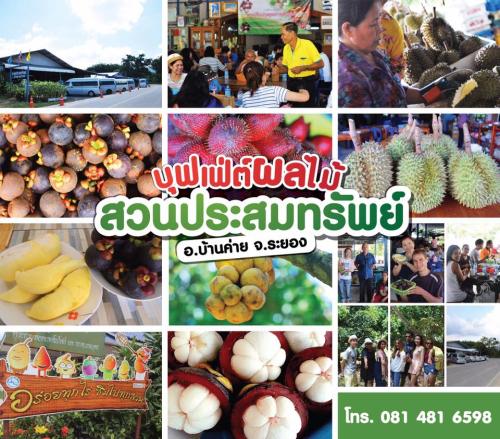
There is various fruit trees plant on this farm such as Mangosteen, Longkong, durian, Rambutan, Santol, and Mayongchid. It is like a normal orchard but the difference is that "Suan Prasomsap" uses natural extracts. and use bio-fertilizer in pest control to grow fruit trees ensuring that quality products will be safe from toxins and chemicals. That's fruits from this orchard have a sweeter and tastier flavor.
Rayong
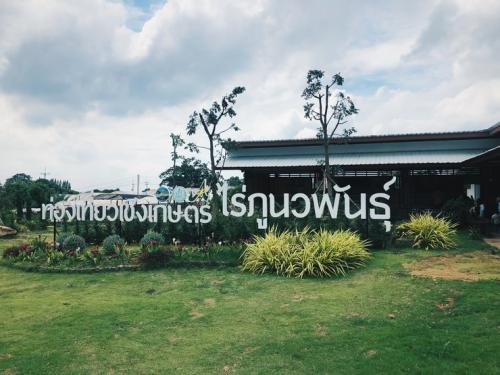
Phu Nawaphan Vineyard It is a vineyard with processed products of grapes, grapes, grape juice, etc.
Saraburi
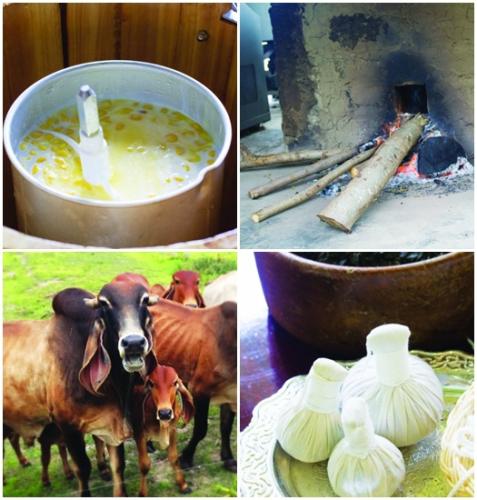
Rai Khun Mon is a mixed agricultural plantation, organic vegetable garden and a factory to process various products such as corn milk, vegetable juice, banana/jackfruit dried. Krayasart coated with vegetable juice, corn Meatballs, corn milk ice cream, healthy homeopathic food and a learning center for Thai wisdom on an area of ​​150 rai with modern machinery Tourism program Learn activities based on various bases. 1. Corn milk production base 2. Corn milk ice cream production base 3. The base for collecting fresh corn from the field 4. Sesame oil extraction base 5. Wood vinegar extraction base and Iwate charcoal furnace 6. The base for making a compress 7. Earth house Other attractions along the route (with distance/km) River Kwai Bridg, Kanchanaburi War Cemetery, a distance of 25 kilometers Wat Tham Suea (Tiger Cave Temple), a distance of 30 kilometers Giant Raintree, a distance of 30 kilometers Community enterprise products Corn milk, sesame oil Vacuum baked bananas
Kanchanaburi
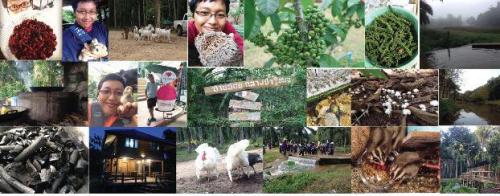
Little House in the Big Wood is a learning center of sufficiency economy philosophy. It was established by the new generation of agriculturists who would like to inherit sufficient agriculture. By applying a house and garden as the learning center for visitors.
Chumphon
Experience the local wisdom of the people in the community, and learn about Sufficiency Economy Philosophy.
Ubon Ratchathani
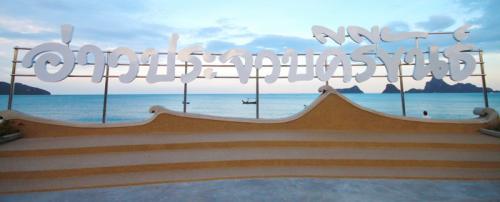
Prachuap Bay (Koh Lak Bay) is in Prachuap Khiri Khan city. The charm of Prachuap Bay is that it is a small town on the edge of Prachuap Bay. It is sandy beaches with crystal clear waters. The bay is shaped like a crescent moon about 8 kilometers long. The area starts from Khao Ta Monglai Mountain on the north to Khao Lom Muak Mountain on the south. Because of the length of this bay, it becomes easy to observe lifestyles of the locals such as fishing village, shops, hotels, resort along the beach, government agency, public parks and resting place. There are many uniquely shaped islands in front of the bay, which make the scenery look beautiful.
Prachuap Khiri Khan
Phu Mak Prik is a community forest, in Kut Chum Subdistrict, Kut Chum District, Yasothon Province, in the past, it was an area on Phu Suan Nueng which used to be a source of chili gardening until it has deteriorated. Subsequently, the forest was restored and replanted to become greener again after serious care from the Phu Mak Prik Sect. which developed into a temple of Phu Mak Prik later. And currently, the temple is in the process of building a new half-timbered and half-cemented ubosot amidst the shady nature of trees. It is expected that when finished it will be very beautiful. On Wat Phu Mak Phrik, there is peace and tranquility. It is a shady place to practice meditation. There is also a small viewpoint which those who go up to visit the temple can visit as well. The entrance to the viewpoint might be a bit difficult to see, but you can ask for directions from the monks in the temple
Yasothon